

Introduction: A New Era of Competition
In the past decade, a new form of competition has emerged that challenges traditional notions of sports and entertainment. Esports, or competitive video gaming, has evolved from a niche hobby into a global phenomenon. With millions of viewers, professional players, and multi-million-dollar tournaments, esports has captured the imagination of a generation raised on digital experiences. This evolution highlights not only the growth of technology but also the shifting ways people engage with entertainment, competition, and community.
The Origins of Esports
The story of esports begins in the late 1970s and 1980s, when video games started gaining popularity in arcades. Early competitions, such as the Space Invaders Championship in 1980, drew thousands of participants and signaled that competitive gaming could be more than just casual fun. Over the years, gaming consoles, PC games, and online platforms created opportunities for players to compete beyond local communities. Games like StarCraft in South Korea and Counter-Strike in Europe and North America laid the foundation for organized esports tournaments. These early competitions were primarily amateur-driven but demonstrated a clear appetite for competitive gaming among players and spectators alike.
How Esports Works
At its core, esports revolves around organized competitions in video games. These competitions can be individual, such as fighting games like Street Fighter, or team-based, such as League of Legends, Dota 2, or Call of Duty. Professional players join teams, train rigorously, and participate in tournaments that are often broadcast online to a global audience. Esports is unique because it combines elements of traditional sports, such as strategy, skill, and teamwork, with the interactive and immersive nature of video games.
Tournaments in esports often follow structured formats, including league-style competitions, knockout brackets, and international championships. The infrastructure supporting esports has grown immensely, including sponsorships, streaming platforms, team management, coaching, and analytics. Unlike traditional sports, esports thrives on digital platforms, making it accessible to anyone with an internet connection.
The Global Esports Industry
Esports has become a multi-billion-dollar industry. In 2025, the global esports market is projected to generate over a billion dollars in revenue, with contributions from sponsorships, advertising, media rights, merchandise, and ticket sales. Companies from various sectors, including technology, gaming, and even fashion, invest heavily in esports due to its young, engaged audience.
Asia, particularly South Korea and China, has been a pioneer in esports culture, with professional leagues, gaming arenas, and television broadcasts dedicated entirely to esports. North America and Europe have also witnessed rapid growth, with international tournaments drawing hundreds of thousands of live viewers and millions more online. The global reach of esports highlights its ability to transcend language, culture, and geography, uniting fans under the banner of shared digital experiences.
Popular Esports Games
Several games have become cornerstones of the esports ecosystem. Multiplayer online battle arena (MOBA) games, first-person shooters (FPS), real-time strategy (RTS), and sports simulation games dominate the competitive scene. League of Legends is one of the most popular esports titles globally, known for its intricate gameplay and massive tournaments like the World Championship. Dota 2 is famous for its prize pools, often reaching tens of millions of dollars, making it one of the most lucrative esports competitions. FPS games such as Counter-Strike: Global Offensive and Valorant focus on fast reflexes, precision, and team coordination. Sports simulation games, like FIFA and NBA 2K, also attract players who enjoy blending traditional sports knowledge with gaming skills.
The Role of Streaming and Online Platforms
The rise of streaming platforms like Twitch, YouTube Gaming, and specialized esports websites has been pivotal to the growth of esports. These platforms allow players to broadcast matches live, engage with fans in real time, and monetize their content through subscriptions and donations. Streaming has created a new layer of interaction between players and audiences, transforming esports from passive spectating to an immersive and participatory experience. Social media platforms further amplify esports content, fostering communities that discuss strategies, celebrate victories, and share gaming highlights.
Professional Players and Esports Teams
Professional esports players are at the heart of the industry. These individuals dedicate countless hours to mastering their chosen games, often training as rigorously as athletes in traditional sports. Teams are formed with careful attention to player synergy, communication, and strategy. Esports organizations function similarly to professional sports franchises, with coaching staff, analysts, managers, and even psychologists to optimize performance.
Some players achieve celebrity status, amassing millions of followers on social media and influencing gaming culture worldwide. Their presence has helped legitimize esports as a serious career path, inspiring younger generations to pursue competitive gaming professionally.
Esports Tournaments and Championships
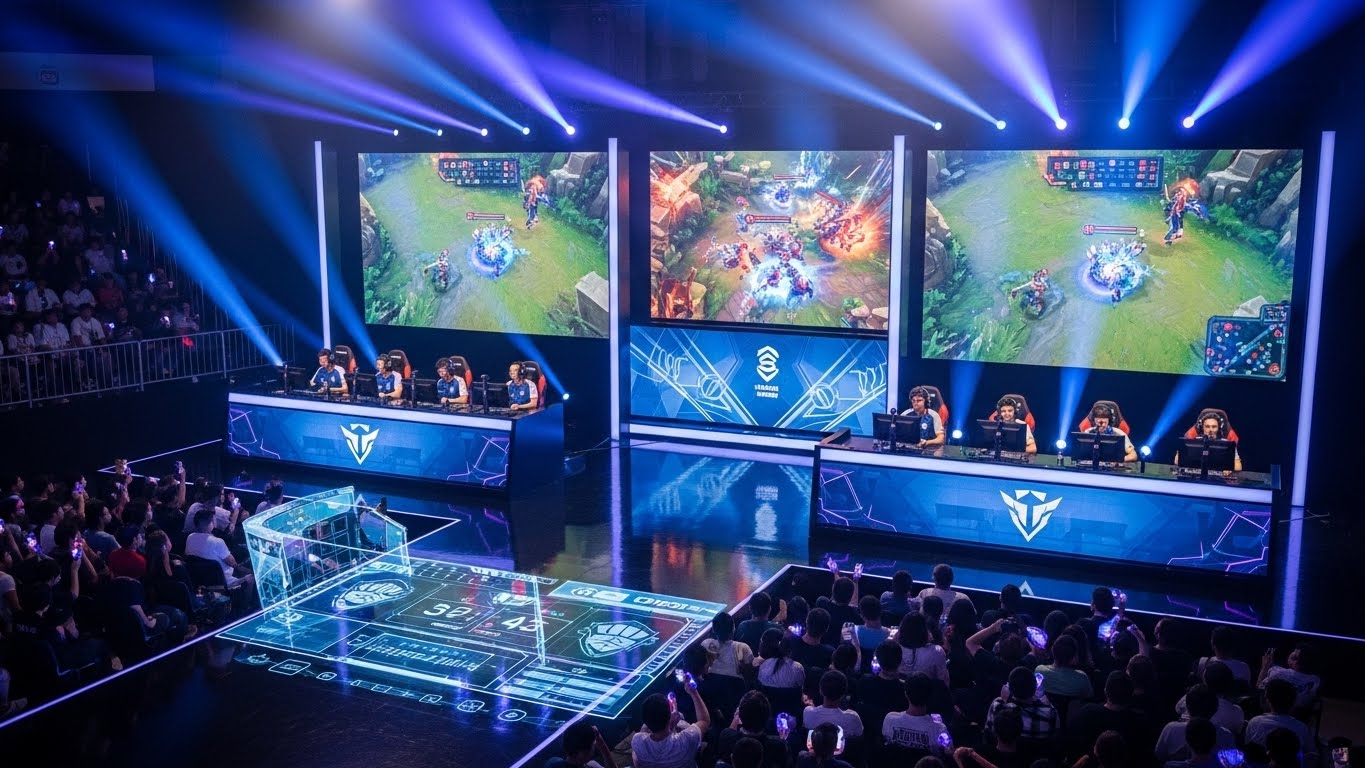
Tournaments are the pinnacle of the esports experience. They range from local competitions to international mega-events, often held in stadiums filled with cheering fans. The scale of these events rivals traditional sports championships, with prize pools, sponsorships, and media coverage reflecting their growing importance.
One of the most iconic esports events is The International for Dota 2, which consistently features some of the largest prize pools in competitive gaming history. Similarly, the League of Legends World Championship draws millions of viewers worldwide, showcasing the highest level of gameplay and strategic depth. These tournaments not only entertain but also promote cultural exchange, collaboration, and innovation within the gaming community.
The Cultural Impact of Esports
Esports has influenced culture in profound ways. It has shifted perceptions of gaming from a solitary hobby to a legitimate form of competition. Schools and universities have even begun offering scholarships for esports players, recognizing the skills and dedication required to excel. Esports has also inspired art, music, fashion, and media, creating a vibrant ecosystem that extends far beyond the games themselves.
The community aspect of esports cannot be overstated. Online forums, fan groups, and local gaming clubs foster social connections and collaboration. For many, esports provides a sense of belonging, identity, and purpose. It has become a cultural phenomenon that intersects technology, entertainment, and human creativity.
Challenges and Criticisms
Despite its rapid growth, esports faces several challenges. The industry is highly competitive, and only a small fraction of players achieve professional status. The intense demands of training and competition can lead to burnout, stress, and health issues. Additionally, concerns about online toxicity, harassment, and fair play continue to be pressing issues within esports communities.
Monetization and sustainability are also complex challenges. While top-tier players and organizations thrive, smaller teams and amateur competitions often struggle to secure sponsorships or consistent income. Regulatory frameworks and labor protections for esports professionals are still evolving, and the industry must navigate issues like player contracts, intellectual property, and gambling regulations.
The Future of Esports
The future of esports looks bright, driven by technological advancements, increasing mainstream acceptance, and expanding global reach. Virtual reality, augmented reality, and cloud gaming may redefine how competitions are played and experienced, offering even more immersive and interactive platforms. Artificial intelligence could enhance player training, analytics, and game design, raising the level of competition even further.
Moreover, esports is likely to continue integrating with traditional sports and entertainment. Collaborations between esports leagues and professional sports teams, crossover events, and media partnerships will further legitimize the industry. As audiences diversify and technology evolves, esports will remain at the forefront of entertainment innovation.
Conclusion: Beyond the Game
Esports represents more than just competitive gaming—it is a cultural, economic, and technological movement. From humble beginnings in arcades to massive global tournaments, esports has transformed the way people play, watch, and interact with games. It challenges traditional definitions of sports, creates new career opportunities, and fosters communities that transcend geography and language.
As the industry grows, so too does its influence on culture, technology, and entertainment. Whether as a player, spectator, or fan, esports offers a unique space where skill, strategy, creativity, and passion converge. In this rapidly evolving digital landscape, esports is not just a game—it is a revolution.