

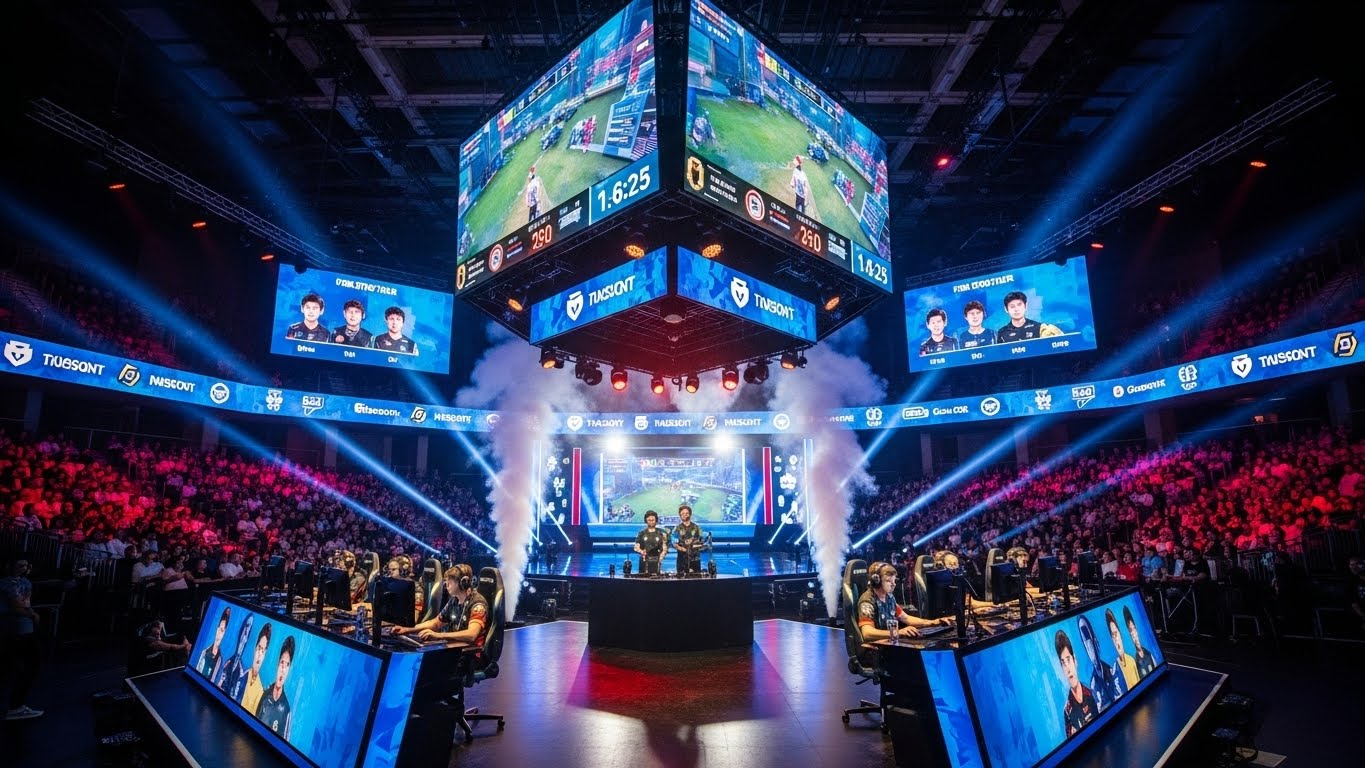
Over the past two decades, eSports has evolved from a niche hobby to a global phenomenon, captivating millions of players and spectators alike. What was once confined to basement tournaments and casual gaming sessions has transformed into a multi-billion-dollar industry, with professional leagues, global events, and massive online communities. In this blog post, we explore the meteoric rise of eSports, its cultural significance, economic impact, and the future of competitive gaming in the digital age.
What Is eSports?
At its core, eSports refers to competitive video gaming where individuals or teams compete in organized, multiplayer video game tournaments. These competitions can take place online or in large-scale arenas, with players often showcasing exceptional skill, strategy, and teamwork. Games like League of Legends, Dota 2, Counter-Strike, Overwatch, and Fortnite have become the staples of competitive gaming, each with a dedicated player base and fan following.
Unlike casual gaming, where individuals play for fun, eSports is highly structured. It involves professional players who train, practice, and compete at the highest level, with live streams, sponsorships, and prize money on the line. Major events, such as The International (Dota 2), League of Legends World Championship, and the Overwatch League, draw millions of viewers globally, signaling the growing mainstream appeal of competitive gaming.
The Evolution of eSports: From Arcade Games to Global Tournaments
The history of eSports traces back to the early days of gaming itself. In the 1970s and 1980s, video games like Pong and Space Invaders were introduced, but it wasn’t until the 1990s that the concept of competitive gaming began to emerge. The rise of arcades allowed players to compete head-to-head in localized tournaments, setting the groundwork for the professional scene.
One of the earliest milestones in eSports history occurred in 1997 with the Red Annihilation tournament for the game Quake, which attracted a significant number of players and viewers. The event’s winner received a Ferrari, marking the first significant prize in eSports history. As technology advanced, the growth of internet access made it easier for players to compete globally, leading to the formation of online gaming leagues and tournaments.
The early 2000s saw the advent of massive eSports events in South Korea, where games like StarCraft became cultural touchstones. South Korea was the first country to truly embrace eSports as a professional sport, with national television networks broadcasting tournaments, players achieving celebrity status, and dedicated eSports arenas being built. This period laid the foundation for what would eventually become a global eSports scene.
The Global Impact of eSports: A Multibillion-Dollar Industry
Today, eSports is a global industry worth billions of dollars. According to industry reports, eSports revenues are projected to surpass $1.5 billion by 2025, driven by sponsorships, advertising, media rights, ticket sales, and merchandise. The appeal of eSports has transcended its roots in gaming, attracting large companies from outside the industry, including global brands like Coca-Cola, Intel, and Audi, which now sponsor eSports teams and events.
In 2019, the League of Legends World Championship reached over 100 million viewers, surpassing traditional sporting events like the Super Bowl in terms of global viewership. The increasing popularity of live-streaming platforms such as Twitch and YouTube Gaming has also contributed to the explosive growth of eSports. Gamers from all over the world can now broadcast their gameplay and interact with fans in real-time, further blurring the lines between traditional sports and gaming.
In addition to the financial growth, eSports has also created new job opportunities. Professional players, coaches, analysts, streamers, event organizers, and content creators now have careers within the gaming ecosystem. The rise of college-level eSports programs has also contributed to the development of eSports as a viable career path, with some institutions offering scholarships for talented players.
The Players and Teams: Heroes of the Digital Arena
The heart of eSports lies in its players and teams. Professional gamers dedicate countless hours to perfecting their craft, learning strategies, mastering in-game mechanics, and building team synergy. Many of these players start their careers at a young age, with some even achieving early success in online tournaments before making the leap to professional leagues.
The dedication required to compete at the highest level is immense. Top-tier players often train for 8-10 hours a day, practicing their gameplay, analyzing opponents, and studying game updates. They must also maintain peak mental and physical health to perform under pressure. eSports players face intense competition, and their careers can be short-lived—typically lasting only 5-10 years—due to the strain on their bodies and minds.
Just as in traditional sports, the best eSports players achieve legendary status. Stars like Faker (Lee Sang-hyeok) from League of Legends, s1mple (Oleksandr Kostyliev) from Counter-Strike, and Dendi (Danil Ishutin) from Dota 2 are recognized worldwide as the pinnacle of competitive gaming. These players not only achieve fame for their in-game prowess but also serve as influencers, building strong social media followings and securing sponsorships.
Teams in eSports are akin to traditional sports teams, with players specializing in specific roles and working together toward a common goal. Major organizations like Cloud9, Team Liquid, and T1 have become household names in the eSports community, with their rosters of talented players competing in top-tier tournaments for substantial prize pools. These organizations operate much like professional sports franchises, investing in player development, coaching, and even brand-building.
The Spectators: The Lifeblood of eSports
While eSports is played on the digital battlefield, its true strength lies in its audience. Unlike traditional sports, where fans attend stadiums and arenas to watch live games, eSports fans primarily tune in via online streaming platforms. Twitch, YouTube Gaming, and Facebook Gaming have become central hubs for eSports content, allowing millions of viewers to watch events in real-time, interact with streamers, and even support their favorite players through donations and subscriptions.
The interactive nature of eSports broadcasts sets it apart from traditional sports viewership. Fans are not just passive observers; they engage with players, discuss strategies, and form global communities around their favorite games and teams. This deep connection between players and fans creates a sense of camaraderie and loyalty, making eSports not only a spectator activity but a participatory experience.
In fact, eSports fans are some of the most dedicated and engaged in the world. Major events like The International and League of Legends World Championships draw millions of viewers, with some tournaments filling massive arenas. The unique combination of gameplay, strategy, and community engagement has turned eSports into a global cultural movement, with millions of fans tuning in from all corners of the globe.
The Future of eSports: Growth, Challenges, and Opportunities
The future of eSports is bright, with continued growth expected across multiple sectors. Technological advancements, including virtual reality (VR) and augmented reality (AR), have the potential to revolutionize the way eSports are experienced. Imagine watching an eSports match from the perspective of a player or immersing yourself in the action with VR headsets—such innovations could change the way fans engage with competitive gaming.
However, like any industry, eSports faces its challenges. The commercialization of eSports raises questions about the integrity of the competitions, with concerns about doping, match-fixing, and player burnout. The fast-paced nature of the gaming industry also means that games can become obsolete quickly, forcing players and teams to adapt to new titles and strategies constantly.
Despite these challenges, eSports has the potential to reach even greater heights. As more mainstream media outlets and traditional sports networks begin to broadcast eSports, the visibility of competitive gaming will only increase. Additionally, with the rise of mobile gaming, eSports may expand beyond PC and console platforms, bringing competitive gaming to even more players and viewers worldwide.
Conclusion: eSports as the Future of Entertainment
The rise of eSports represents a profound shift in how we perceive competition, entertainment, and even sports themselves. What was once a niche hobby has become a global industry, attracting millions of players, fans, and investors. As technology advances and the boundaries between traditional sports and eSports continue to blur, it’s clear that competitive gaming is here to stay.
For players, eSports offers a platform to showcase their skills and achieve fame. For fans, it provides a unique and immersive experience that connects them to the games, teams, and players they love. As the industry continues to grow, eSports is poised to redefine the future of entertainment, providing a thrilling, accessible, and highly engaging form of competition for generations to come.