

Introduction
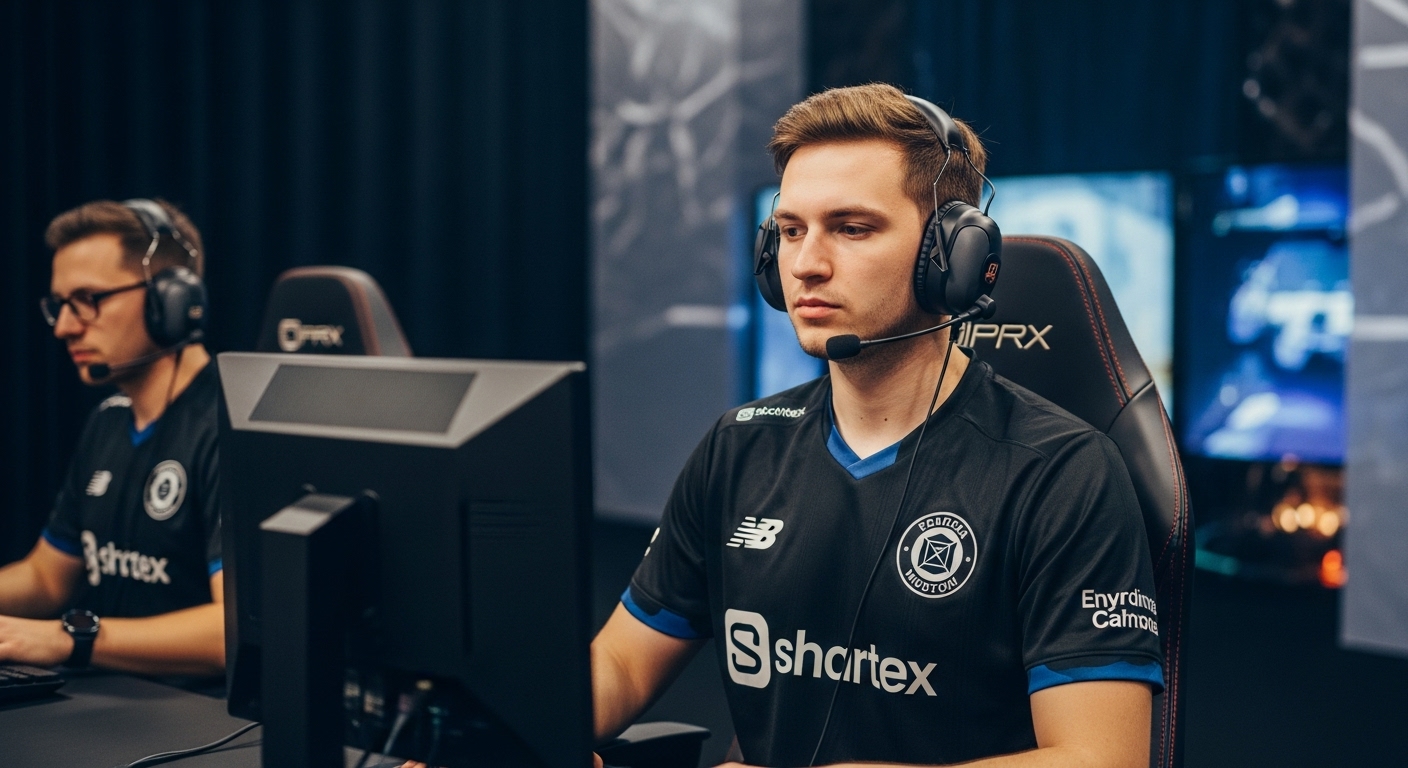
eSports, or electronic sports, has emerged as one of the most powerful forces in the world of entertainment. What once began as casual gaming for enthusiasts has transformed into a global phenomenon, with millions of fans and players engaged in a multi-billion-dollar industry. Competitive gaming has evolved far beyond home consoles and casual tournaments, evolving into a fully-fledged sport complete with professional teams, lucrative sponsorships, dedicated fans, and large-scale international competitions. The rise of eSports has not only redefined the gaming landscape but has also changed the way people perceive sports, entertainment, and digital culture.
The appeal of eSports lies in its ability to combine the excitement of traditional sports with the creativity and innovation of video games. Whether it’s watching a live-streamed tournament, following your favorite players on social media, or attending sold-out events, eSports has introduced a new era of digital competition. But how did eSports go from a hobby to a multi-billion-dollar industry, and what does the future hold for this rapidly growing world?
The Rise of eSports: From Casual Gaming to Global Competition
The origins of eSports can be traced back to the early days of competitive video gaming. In the 1970s, games like “Pong” and “Space Invaders” introduced the concept of competitive gaming, where players would compete for high scores. However, it wasn’t until the 1990s, with the rise of home consoles and the growth of personal computers, that the foundation for modern eSports was laid.
One of the key turning points for eSports came with the release of online multiplayer games such as “Warcraft,” “Quake,” and “StarCraft.” These games allowed players to compete against one another over the internet, and soon organized tournaments began to take shape. By the early 2000s, large-scale competitions like the World Cyber Games and DreamHack began to emerge, drawing thousands of players and spectators.
However, it was in South Korea that eSports truly took off. With a strong gaming culture and the advent of high-speed internet, South Korea became the global epicenter of competitive gaming. “StarCraft” became a national obsession, and professional leagues began to form, with players gaining celebrity status and eSports tournaments being broadcast on television. This phenomenon would lay the groundwork for the global rise of eSports in the following decades.
In the 2010s, eSports exploded worldwide with the arrival of multiplayer online battle arenas (MOBAs) like “League of Legends” and battle royale games like “Fortnite.” These games garnered massive followings, and the growing accessibility of live-streaming platforms such as Twitch and YouTube Gaming brought eSports to a broader audience. What started as a niche subculture was now a full-blown industry, with millions of viewers watching professional gamers compete for massive prize pools.
The Mechanics of eSports: The Structure Behind the Game
At its core, eSports is a competitive form of gaming where professional players or teams compete in organized tournaments for prizes, sponsorships, and recognition. The structure of eSports is similar to that of traditional sports, with professional leagues, tournaments, coaches, analysts, and commentators all playing important roles.
Games and Tournaments: Unlike traditional sports that revolve around a few universally recognized games (such as soccer or basketball), eSports is made up of a diverse range of games. Some of the most popular eSports titles include “League of Legends,” “Dota 2,” “Counter-Strike: Global Offensive,” “Overwatch,” “Call of Duty,” and “Fortnite.” Each of these games has its own competitive scene, complete with organized leagues, local tournaments, and international competitions.
Tournaments are often held at various levels, from regional competitions to world championships. For example, the “League of Legends World Championship,” also known as “Worlds,” is one of the most prestigious eSports events, where top teams from across the globe compete for the title of world champion. Similarly, “The International,” the annual tournament for “Dota 2,” regularly boasts one of the largest prize pools in competitive gaming, sometimes exceeding $30 million.
Teams and Players: eSports has professional teams much like traditional sports. These teams consist of highly skilled players who specialize in specific roles within the game. For example, in “League of Legends,” teams are composed of five players, each responsible for a different role such as top lane, jungle, mid lane, bot lane, and support.
These players are often signed to professional organizations that provide them with salaries, sponsorship deals, and access to coaching, training facilities, and other resources. Some of the biggest eSports organizations include Cloud9, Team Liquid, Fnatic, and T1, all of which boast successful teams across multiple games.
Commentators and Analysts: Just as with traditional sports, eSports events feature live commentary and analysis to keep the audience engaged. eSports commentators, often referred to as “casters,” provide real-time play-by-play commentary on matches, explaining strategies, tactics, and key moments. Analysts provide post-match breakdowns, offering in-depth analysis of player decisions and strategies.
This broadcast style, often accompanied by colorful graphics and crowd reactions, helps to create an immersive experience for viewers, making eSports events just as exciting as traditional sports broadcasts. Major eSports tournaments are broadcasted on live-streaming platforms like Twitch, YouTube Gaming, and sometimes even on TV networks.
The Economic Boom of eSports: A New Industry Takes Shape
eSports has grown into a multi-billion-dollar industry, fueled by a combination of sponsorships, media rights, ticket sales, streaming revenue, and merchandise sales. The economic impact of eSports is undeniable, with major brands and corporations investing heavily in the sector.
Sponsorships and Partnerships: As eSports has gained mainstream popularity, major companies have begun to invest in sponsorships and partnerships. Global brands like Intel, Coca-Cola, Mercedes-Benz, and Red Bull have all signed multi-million-dollar deals with eSports leagues, teams, and players. These sponsorships help fund tournaments, provide equipment, and give brands visibility in front of millions of viewers.
Prize Pools and Player Earnings: Competitive eSports tournaments have some of the largest prize pools in the world. “The International,” for example, consistently offers prize pools exceeding $30 million, with the winning team taking home a significant share. Players themselves can earn substantial sums from tournament winnings, sponsorships, and streaming revenue. In fact, some of the top eSports players have become multi-millionaires, making more than traditional athletes in some cases.
Streaming and Content Creation: Live-streaming platforms like Twitch have played a key role in eSports’ financial success. By allowing players to broadcast their gameplay and interact with their audience, these platforms have given gamers a direct way to generate income through subscriptions, donations, and ad revenue. Top streamers can earn millions of dollars a year, with some, like Ninja and Shroud, achieving celebrity status.
Merchandise Sales: eSports teams and players also generate revenue through merchandise sales. Fans purchase team jerseys, hats, posters, and other branded products, further fueling the industry’s growth. This allows teams to diversify their income streams and connect more deeply with their fan base.
The Cultural Impact of eSports
Beyond the economic benefits, eSports has made a significant cultural impact. As gaming and competitive play have become more mainstream, eSports has transformed into a form of entertainment that resonates with people across generations and geographies.
Global Reach: One of the most remarkable aspects of eSports is its global reach. Professional players and teams come from all over the world, and tournaments are broadcast in multiple languages to cater to diverse audiences. The international nature of eSports has helped to break down cultural barriers, as fans from different countries bond over their shared love of gaming.
Streaming and Social Media: Platforms like Twitch and YouTube Gaming allow players to live-stream their matches, creating an interactive experience between players and their audiences. Viewers can chat with players in real-time, donate to their favorite streamers, and even build a sense of community around their favorite games. Social media has also played a huge role in connecting fans to the world of eSports, with players, teams, and leagues regularly engaging with fans on Twitter, Instagram, and Reddit.
Mainstream Recognition: eSports has slowly been gaining recognition from the mainstream entertainment world. In recent years, major television networks have begun broadcasting eSports tournaments, and in 2024, eSports will be included as a demonstration event in the Paris Olympics. These milestones mark a significant shift in the way eSports is perceived, legitimizing it as a respected form of competitive entertainment.
Challenges Facing eSports
Despite its rapid growth, eSports still faces several challenges that could impact its future.
Mental Health and Burnout: The intense schedules, long practice hours, and high levels of competition can take a toll on professional players’ mental and physical health. Burnout, anxiety, and depression are common issues among top-level gamers, and the industry is starting to address these concerns by providing mental health support and wellness programs.
Toxicity and Cheating: Like many online communities, the eSports world can sometimes be plagued by toxicity, harassment, and cheating. Game developers and tournament organizers are working hard to implement anti-cheat systems and improve community management to create a more inclusive and respectful environment for players and fans.
Sustainability: While eSports has experienced rapid growth, there are questions about its long-term sustainability. The industry is heavily reliant on sponsorships and advertising revenue, and fluctuations in these sources of income could affect its financial stability. Additionally, the evolution of gaming technology and audience preferences may require eSports to continually adapt to stay relevant.