

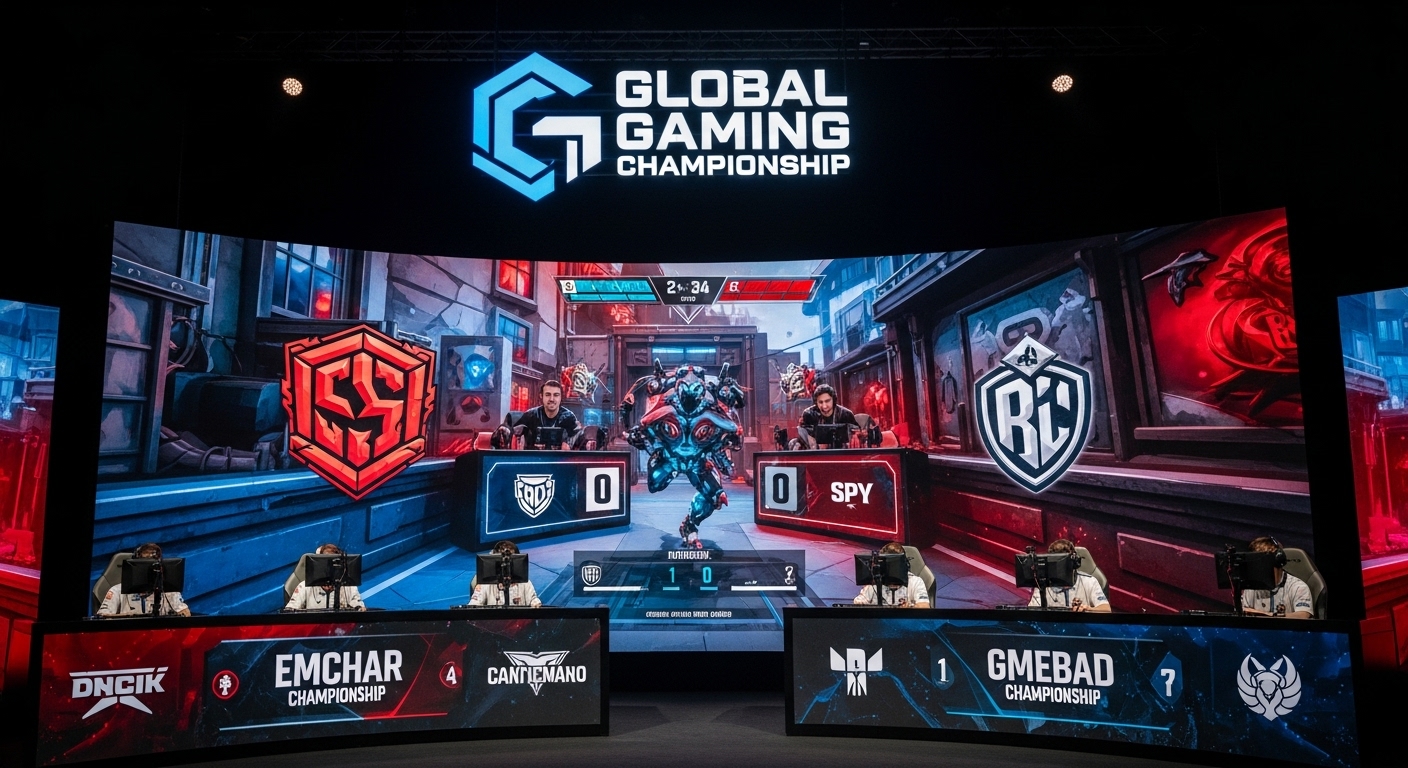
Introduction: The New Face of Global Competition
In the past, sporting glory was defined by physical endurance, stadium crowds, and traditional athletic skill. Today, however, the world of competition has expanded into a thrilling new dimension—one that exists entirely in the digital realm. Esports, or electronic sports, has emerged as one of the most dynamic and rapidly growing industries in the modern world. It brings together millions of players, fans, and organizations, uniting them through the love of gaming and competition. What once began as casual gaming among friends has evolved into a global phenomenon where professional players, teams, and audiences rival those of traditional sports in both scale and excitement.
The Origins of Esports: From Basement Battles to Global Arenas
The concept of competitive gaming can be traced back to the early days of video games. In the 1970s, small tournaments were held for titles like Space Invaders and Pong, where enthusiasts competed for high scores and bragging rights. As technology advanced through the 1990s, games like Street Fighter, Quake, and StarCraft laid the foundation for professional gaming events. Internet connectivity allowed players to compete from anywhere, marking the beginning of esports as we know it today.
By the early 2000s, organized tournaments began to attract sponsors, audiences, and media coverage. The rise of games such as Counter-Strike, Dota, and League of Legends transformed gaming from a hobby into a structured and professional industry. What started in small local gatherings soon turned into global championships watched by millions.
The Growth of a Billion-Dollar Industry
The esports industry has grown at an astonishing pace, becoming a billion-dollar market within just a few decades. Revenue streams now include sponsorships, advertising, merchandise, and media rights, similar to traditional sports. Major companies recognize the potential of esports as a marketing platform, sponsoring teams, tournaments, and even individual players.
With audiences numbering in the hundreds of millions, esports has firmly established itself as a mainstream form of entertainment. Cities across the world are building esports arenas, universities are offering scholarships for competitive gaming, and investors are pouring funds into developing professional leagues. This meteoric rise reflects not only the popularity of gaming but also the shift in how people view competition and entertainment in the digital era.
Popular Games that Define Esports
Several games have played a central role in shaping the esports ecosystem. Multiplayer online battle arenas, first-person shooters, and sports simulations dominate the scene. Titles like League of Legends, Dota 2, Counter-Strike, Fortnite, and Valorant attract massive player bases and competitive followings.
Each game offers a unique competitive structure. For example, Dota 2’s annual world championship, known as The International, offers prize pools worth tens of millions of dollars, funded largely by fans. League of Legends hosts global tournaments that fill stadiums, while games like FIFA and NBA 2K bring traditional sports into the digital space. The diversity of games ensures that esports appeals to a wide variety of audiences with different interests and skills.
The Rise of Esports Athletes
Professional esports players are more than just gamers—they are dedicated athletes who spend countless hours practicing, strategizing, and improving their performance. Training can be intense, often involving long hours of practice, teamwork sessions, and analysis of opponents’ tactics. Reflexes, mental agility, and communication are critical to success.
Top players achieve celebrity status, gaining large fan followings and lucrative sponsorships. They compete in tournaments broadcasted to millions of viewers around the globe, with some earning incomes comparable to traditional sports stars. Their journey from amateur gamers to international champions showcases the dedication and professionalism that defines the modern esports athlete.
The Role of Teams and Organizations
Behind every successful player is a structured team or organization. Esports teams operate much like traditional sports franchises, with coaches, managers, analysts, and medical staff ensuring that players perform at their best. Some of the world’s leading esports organizations manage multiple teams across different games, maintaining strong brand identities and loyal fan bases.
These teams also play a significant role in shaping the esports culture. They engage with fans through social media, live events, and branded content, turning competitive gaming into a full-scale entertainment industry. The business side of esports is as competitive as the games themselves, with organizations constantly seeking to innovate and expand.
Esports Fans and the Power of Community
At the heart of esports lies its passionate and ever-growing community. Fans follow their favorite players and teams with the same enthusiasm seen in football or basketball. They attend live events, participate in online discussions, and create content that celebrates their shared love for gaming.
The sense of community in esports is unparalleled. It thrives on interaction, as fans engage directly with players through live streams and social platforms. This closeness between fans and professionals has created a unique culture where accessibility and inclusivity define the experience. The community also drives esports forward by supporting tournaments, merchandise, and crowdfunding campaigns.
The Role of Streaming and Broadcasting
One of the most significant factors behind the success of esports is digital broadcasting. Streaming platforms have allowed fans to watch live matches, interact with players, and experience events from anywhere in the world. Unlike traditional sports that rely on television networks, esports found its audience online, where viewership is flexible, interactive, and global.
Professional commentary, instant replays, and production quality now rival that of major sports networks. Broadcasting has transformed esports into a spectacle, complete with dynamic visuals, team introductions, and dramatic narratives. This accessibility has been key in making esports a mainstream cultural force.
Education and Esports: A New Academic Path
As esports continues to grow, educational institutions have started recognizing its value. Universities and colleges around the world now offer degrees and scholarships in esports management, game design, and digital media. These programs prepare students for careers in the industry, covering everything from event organization to content creation.
Esports also encourages valuable life skills such as teamwork, leadership, strategic thinking, and communication. For many young people, gaming is not only a passion but a gateway to academic and professional opportunities that were once unimaginable.
The Economic and Social Impact of Esports
The economic influence of esports extends far beyond the gaming world. It creates jobs in event management, marketing, technology, and media. Host cities benefit from tourism when major tournaments are held, while companies profit from partnerships and merchandise sales.
Socially, esports has helped break barriers of distance, language, and culture. It connects people globally through a shared passion for digital competition. For many, it is a source of identity, community, and inspiration. Players and fans alike participate in a global movement that promotes innovation, inclusivity, and entertainment.
Challenges Facing the Esports Industry
Despite its success, esports faces several challenges. Maintaining player health, regulating fair play, and ensuring sustainable growth are ongoing concerns. The intense nature of competitive gaming can lead to burnout, so teams are increasingly emphasizing mental and physical well-being.
Another challenge is ensuring fairness and integrity in competition. As with any major sport, issues such as cheating, match-fixing, and doping have emerged. Regulatory bodies and tournament organizers are working hard to create standardized rules and protect the integrity of the sport.
There is also the question of inclusivity. While esports is accessible to anyone with a computer or console, female representation and diversity within the industry remain areas for improvement. Many organizations are now investing in initiatives to make gaming more inclusive and welcoming for all.
The Future of Esports: Boundless Potential
The future of esports looks incredibly bright. As technology continues to evolve, the boundaries of what is possible in competitive gaming will expand. Virtual reality and augmented reality could create new forms of immersive competition, while advances in artificial intelligence may introduce smarter and more adaptive gaming environments.
Cloud gaming is another frontier, enabling players to compete from any device without the need for expensive hardware. With 5G connectivity, esports will become even more accessible, offering seamless gameplay experiences to audiences everywhere.
Moreover, the line between esports and traditional sports is blurring. Major sports leagues are forming esports divisions, and athletes are investing in gaming teams. This crossover further validates esports as a legitimate and respected form of competition.
Cultural Significance of Esports
Esports is more than just gaming—it represents a shift in how people perceive sports, technology, and entertainment. It symbolizes the creativity and adaptability of the modern generation. Esports events now fill stadiums, and championship broadcasts attract viewership numbers comparable to global sporting events.
Beyond the spectacle, esports carries cultural weight. It empowers youth, promotes digital literacy, and provides platforms for innovation and artistic expression. It has become a symbol of global unity, proving that competition and passion can transcend boundaries of geography and language.
Conclusion: The Future Belongs to the Digital Competitors
Esports stands as a testament to how far technology and human creativity can go when combined with passion and competition. It is not just about playing games—it is about discipline, teamwork, and the pursuit of excellence in a new digital landscape.
What was once a niche hobby has evolved into a movement that defines modern culture and connects millions worldwide. Esports has given rise to a new kind of athlete, a new kind of fan, and a new form of global entertainment. As it continues to evolve, one thing remains certain: the digital arena will only grow larger, brighter, and more exciting. The world of esports is not the future—it is the present, and it is here to stay.