

Introduction: The Rise of a Global Phenomenon
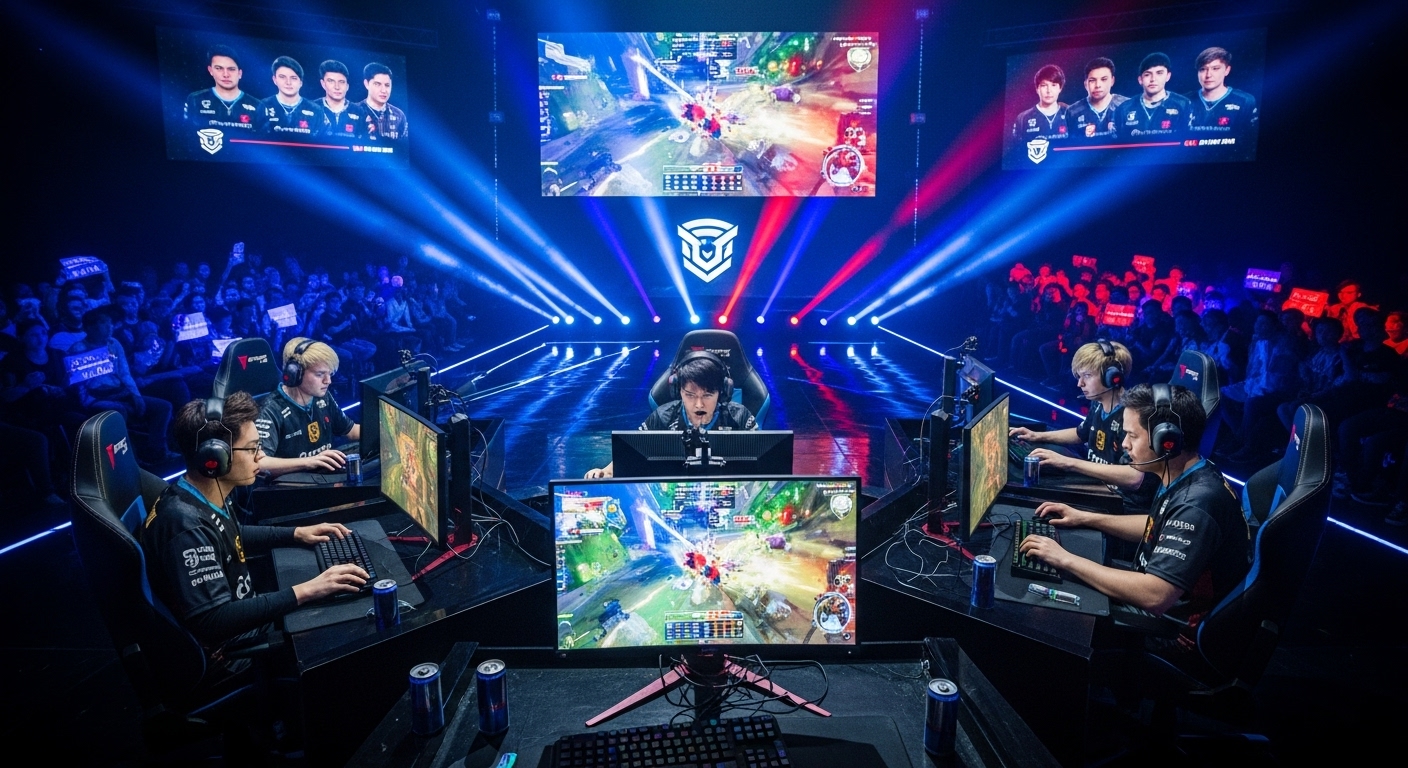
Esports, or competitive video gaming, has evolved from a niche hobby into a global phenomenon with far-reaching cultural significance. What started as local tournaments in arcades and online matches among friends has transformed into a multi-billion-dollar industry that rivals traditional sports in viewership, engagement, and influence. Today, esports tournaments fill stadiums, millions watch live streams online, and professional players are celebrated as celebrities. This cultural shift reflects not only the growing legitimacy of gaming but also its profound impact on how people socialize, consume media, and even pursue careers.
The influence of esports goes beyond entertainment. It intersects with technology, education, media, and lifestyle, shaping global culture in ways previously unimaginable. Understanding the cultural impact of esports worldwide offers insight into modern society and the ways digital experiences are redefining human interaction.
Esports as a Social Connector
One of the most profound cultural effects of esports is its ability to connect people across the globe. Unlike traditional sports that may be limited by geography, esports allows players and fans to interact in real-time from virtually anywhere. Online communities form around games, creating spaces for shared interests, collaboration, and competition. Platforms such as Twitch, YouTube Gaming, and Discord have become digital meeting grounds where players, fans, and creators engage with each other.
These communities are diverse and inclusive, often transcending age, nationality, and socioeconomic status. For many, esports serves as a primary social outlet, fostering friendships and a sense of belonging. The cultural impact here is significant: esports is redefining how people build and maintain relationships in the digital age. Players may never meet in person but can form bonds as strong as those in traditional social settings. This connectivity is reshaping social norms, emphasizing digital fluency and global collaboration as essential skills.
Redefining Entertainment and Media Consumption
Esports has fundamentally changed the landscape of entertainment. Traditional sports are broadcast on television, and movies and music dominate streaming services, but esports merges gaming, streaming, and spectator experiences into a unique form of entertainment. Events like the League of Legends World Championship or The International for Dota 2 attract tens of millions of viewers worldwide, generating levels of engagement comparable to the Super Bowl or FIFA World Cup.
This shift in media consumption is cultural as much as it is technological. Fans no longer passively consume content—they interact with it. Live chats, polls, and social media commentary during matches create a participatory culture, where audiences influence the experience itself. This interactivity has led to a new form of celebrity, where esports players and streamers hold cultural sway similar to actors, musicians, or athletes. Gaming brands and esports personalities now shape trends in fashion, music, and lifestyle, further integrating esports into global culture.
Esports and Education
Esports is also making a significant cultural impact in education. Schools and universities worldwide are establishing esports programs, scholarships, and competitive teams. These programs teach more than just gaming skills—they emphasize critical thinking, teamwork, strategy, communication, and digital literacy. By integrating esports into education, institutions acknowledge that gaming can cultivate essential life skills, bridging the gap between entertainment and personal development.
This cultural shift challenges traditional notions of extracurricular activities and career preparation. Where parents and educators once viewed video games purely as distractions, many now recognize esports as a legitimate avenue for skill-building and career exploration. Universities offering esports scholarships are actively changing perceptions about the potential of gaming, signaling a broader cultural acceptance and respect for esports as a constructive activity.
The Economic and Career Influence
The cultural impact of esports is closely tied to its economic influence. The industry generates billions of dollars annually, supporting a wide array of careers beyond professional gameplay. Esports has created opportunities in marketing, event management, content creation, broadcasting, coaching, game development, and analytics. These career paths are redefining what it means to work in entertainment, showing how digital experiences can support entire economies.
Culturally, this shift elevates gaming from a casual hobby to a viable professional pursuit. It encourages younger generations to explore unconventional careers and challenges societal expectations about traditional employment paths. Esports has cultivated a culture where passion and talent in gaming can lead to financial stability, recognition, and global influence.
Esports and Identity Formation
Participation in esports also plays a critical role in personal identity formation. Players often identify strongly with their chosen games, teams, and gaming communities. This sense of identity can influence self-expression, values, and social interactions. Gamers often adopt digital personas that reflect their skills, creativity, and personality, creating a culture of self-representation that extends beyond the screen.
This phenomenon is particularly influential among younger generations who have grown up with gaming as a central aspect of their lives. Esports encourages individuals to explore new identities, collaborate with like-minded people, and gain confidence through skill mastery. The cultural effect is profound: gaming is no longer just a pastime—it is a tool for self-discovery and personal growth.
The Globalization of Esports Culture
Esports culture is inherently global. Games developed in one country can achieve worldwide popularity within months, and professional leagues attract international players and audiences. This globalization fosters cross-cultural exchange, exposing participants to diverse languages, traditions, and perspectives. For instance, South Korea’s professional gaming scene has influenced esports trends globally, from training regimens to broadcasting styles.
This cross-pollination of culture extends to fashion, music, and art. Gaming-inspired aesthetics and merchandise are embraced worldwide, creating shared cultural touchpoints across continents. The global reach of esports also promotes a sense of collective identity among players and fans, uniting people from different backgrounds around a common passion.
Esports and Gender Dynamics
The cultural impact of esports extends to gender representation and diversity. Historically, gaming was often perceived as male-dominated, but esports is gradually challenging these stereotypes. Women and non-binary players are increasingly visible in professional leagues, streaming platforms, and community leadership roles. Tournaments and organizations are actively promoting inclusivity, creating opportunities for underrepresented groups to thrive.
This cultural shift is important beyond gaming. It signals broader social changes in perceptions of gender roles, equality, and representation in competitive spaces. By normalizing diverse participation, esports fosters a culture that values talent and dedication over gender, contributing to more inclusive attitudes in society.
Esports as a Catalyst for Technological Adoption
Esports has accelerated the adoption of new technologies and digital platforms. Streaming services, high-performance gaming hardware, virtual reality, and AI-driven analytics are all being propelled by the demands of competitive gaming. These technological advancements impact wider culture by shaping how people interact with media, communicate, and entertain themselves.
The cultural effect of this technological integration is twofold: it changes user expectations and habits while also inspiring innovation across industries. Esports demonstrates how digital technology can create shared experiences on a massive scale, influencing everything from social media trends to virtual event design and online learning platforms.
Challenges and Cultural Critiques
Despite its positive cultural impact, esports also faces criticism and challenges. Concerns about gaming addiction, sedentary lifestyles, and toxic online behavior are frequently discussed in mainstream media. These issues highlight the need for responsible engagement and community moderation. Culturally, these critiques encourage discussions about balance, mental health, and ethical gaming practices, reflecting society’s attempt to integrate new forms of entertainment responsibly.
Moreover, esports’ rapid growth has sparked debates about commercialization and the prioritization of profit over community values. The cultural conversation around esports is therefore not just celebratory but also critical, fostering reflection on how technology and entertainment intersect with human behavior and societal norms.
Conclusion: Esports as a Cultural Force
Esports is far more than a form of entertainment—it is a cultural force shaping global society. From social connections and education to career opportunities, identity formation, and technological innovation, esports influences how people interact, learn, and express themselves. Its global reach and participatory nature make it a powerful tool for cultural exchange and transformation.
As esports continues to grow, its cultural significance will only deepen. Understanding this impact is essential for appreciating the modern landscape of digital interaction and entertainment. Esports represents a shift in how society values skill, creativity, and community in the digital age, making it one of the most influential cultural phenomena of the 21st century.
In the years ahead, esports will likely continue to challenge conventions, inspire new ways of thinking, and create shared experiences that transcend borders, languages, and traditional cultural boundaries. Its influence will continue to shape not only the gaming world but the broader global culture in ways we are just beginning to understand.