

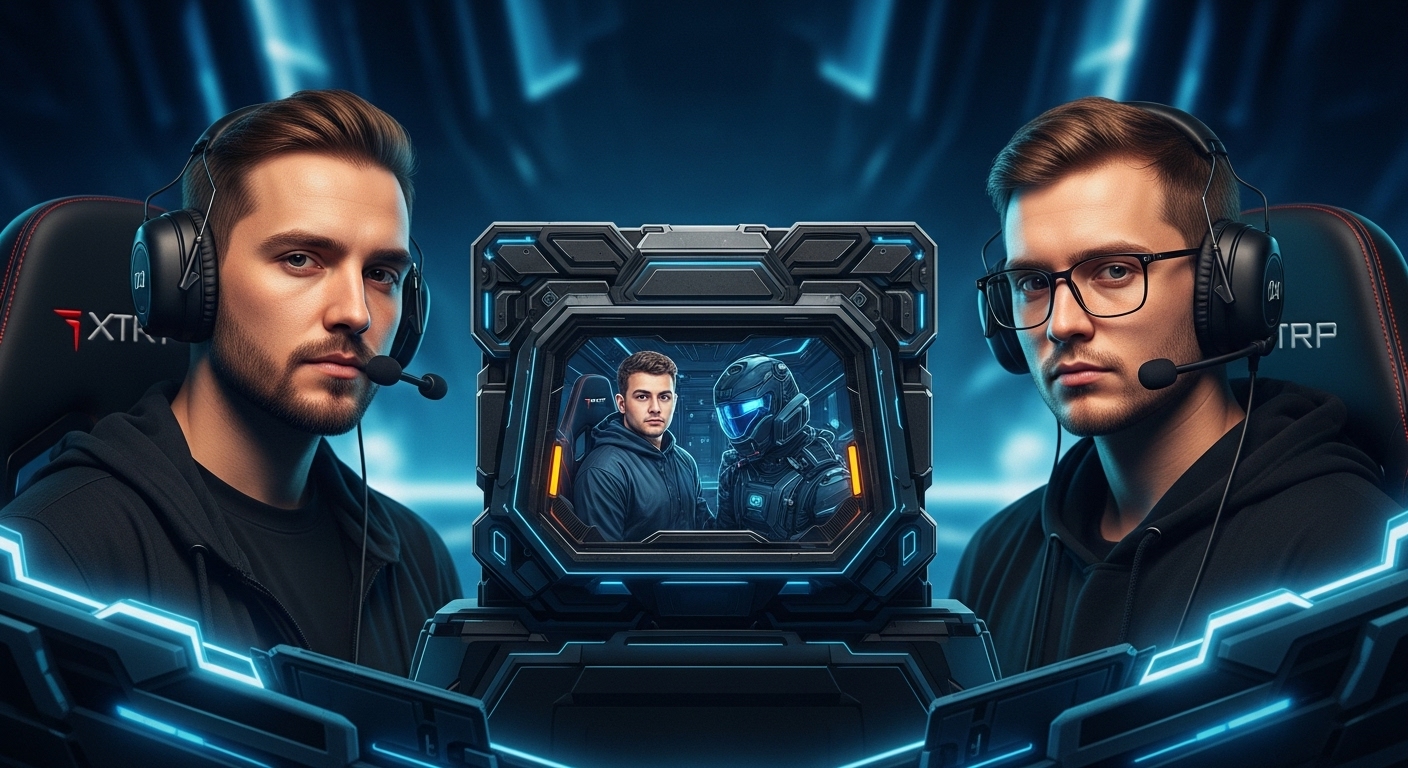
In the past few decades, the world has witnessed an incredible transformation in entertainment and technology. Among the most fascinating developments has been the rapid growth of esports. Once considered just a hobby or pastime, competitive gaming has evolved into a massive global phenomenon that rivals traditional sports in viewership, revenue, and influence. Esports is not just about video games; it represents a cultural movement, an economic powerhouse, and a digital revolution that connects millions of players and fans around the world.
The Origins of Esports
The concept of competitive gaming dates back to the early days of arcade machines in the 1970s. Players gathered in local arcades to challenge each other for high scores on games like Space Invaders and Pac-Man. The first known video game competition took place in 1972 at Stanford University, where students competed in the game Spacewar. The prize was a subscription to a magazine, but that humble event laid the groundwork for what would later become a multibillion-dollar industry.
During the 1980s and 1990s, gaming competitions became more common as personal computers and home consoles gained popularity. Titles like Street Fighter, Doom, and Quake helped create early competitive communities. The introduction of the internet changed everything. Gamers could now compete without being in the same physical location, leading to the birth of online gaming tournaments. This technological shift marked the true beginning of esports as we know it today.
The Rise of Competitive Gaming
As broadband internet became widespread in the 2000s, esports entered a new era. Games like Counter-Strike, StarCraft, and Warcraft III became staples of professional gaming. South Korea emerged as a global hub for esports, hosting televised matches and building gaming stadiums that attracted thousands of fans. The Korean esports model inspired other regions to invest in competitive gaming, leading to the creation of professional teams, sponsorships, and large-scale tournaments.
By the 2010s, esports had grown into a global industry. Streaming platforms allowed fans to watch matches in real time from anywhere in the world. Games like League of Legends, Dota 2, and Overwatch became household names among gamers. Major tournaments offered millions of dollars in prize pools, with some events filling stadiums traditionally used for football or basketball games. The League of Legends World Championship, for instance, drew tens of millions of viewers, surpassing many traditional sports events in audience numbers.
The Economic Power of Esports
Esports is not just entertainment—it is a booming industry. The revenue generated by esports comes from multiple sources: advertising, sponsorships, media rights, merchandise, and ticket sales. Major corporations such as technology brands, beverage companies, and automotive giants invest heavily in esports sponsorships, recognizing the value of reaching younger audiences.
Prize money is another indicator of esports’ success. Some tournaments offer millions in rewards. The International, a Dota 2 championship, regularly breaks records for the largest prize pool in gaming history. Professional players can earn significant salaries, often comparable to athletes in traditional sports. Beyond the players, entire ecosystems of coaches, analysts, event organizers, and content creators have emerged, making esports a legitimate and sustainable career path for many.
The Cultural Impact of Esports
Esports has reshaped modern culture. For younger generations, gaming is not just a leisure activity; it is a form of social interaction and self-expression. Online games provide communities where people from different countries and backgrounds connect through shared interests. Esports tournaments serve as celebrations of these communities, uniting fans around their favorite teams and players.
Moreover, esports has influenced fashion, music, and entertainment. Popular streamers and professional gamers have become influencers with millions of followers on social media. Collaborations between game developers and celebrities are now common. From custom sneakers to esports-themed music videos, gaming culture has firmly embedded itself in mainstream media.
The Role of Technology in Esports Growth
The rise of esports would not be possible without technological advancements. High-speed internet, powerful computers, and sophisticated gaming consoles have created a seamless and immersive gaming experience. Live streaming technology, particularly through platforms that allow real-time interaction between players and viewers, has brought esports to global audiences.
Virtual reality and augmented reality are expected to redefine the future of competitive gaming. These technologies will make games more interactive and physically engaging. Artificial intelligence also plays a growing role, helping to analyze gameplay, improve matchmaking systems, and enhance training for professional players. The continued evolution of technology ensures that esports will keep expanding in both complexity and accessibility.
The Professional Esports Ecosystem
Professional esports operates similarly to traditional sports. Teams are formed by organizations that recruit talented players from around the world. These teams participate in leagues and tournaments, often specializing in a particular game. Each player usually has a specific role, and success depends on teamwork, communication, and strategy.
Behind the scenes, managers and coaches guide players to perform at their best. Analysts study gameplay footage to identify strengths and weaknesses. Nutritionists and mental health professionals are increasingly becoming part of esports organizations, helping players maintain physical and psychological well-being. This professional structure highlights the growing recognition of esports as a legitimate sport that requires discipline, dedication, and teamwork.
Esports and Education
Esports has also entered the world of education. Many universities now offer scholarships to talented gamers, similar to those given to athletes in traditional sports. Academic programs related to game design, esports management, and digital media have emerged, preparing students for careers in the gaming industry.
Educational institutions have recognized the potential of esports to teach valuable skills. Competitive gaming fosters teamwork, problem-solving, communication, and strategic thinking. Schools that integrate esports into their curriculum often report increased student engagement and improved academic performance, especially among students who may not participate in conventional extracurricular activities.
Global Esports Communities
One of the most remarkable aspects of esports is its global reach. From North America and Europe to Asia and the Middle East, competitive gaming transcends borders. In regions like China and South Korea, esports athletes enjoy celebrity status. Western countries have also embraced esports, with large organizations and tournaments emerging in the United States, Canada, and across Europe.
The Middle East and South America are rising as emerging markets, fueled by young populations and increasing access to gaming technology. These regions host their own regional leagues and contribute to the international esports scene, further diversifying the global community. This worldwide participation demonstrates the universal appeal of gaming as a shared human experience.
The Challenges Faced by Esports
Despite its success, esports faces several challenges. One major issue is player burnout. Professional gamers often train for long hours daily, leading to physical and mental fatigue. Unlike traditional sports, where careers can span decades, esports players often retire young due to the intense demands of competition.
Another challenge is maintaining fair play. Issues such as cheating, match-fixing, and doping have occasionally surfaced, threatening the integrity of the sport. Game developers and organizers continue to develop better systems to detect and prevent these problems. Additionally, the lack of a centralized governing body makes it difficult to establish consistent regulations across different games and regions.
Toxic behavior and harassment in online communities also remain concerns. The anonymity of online gaming can encourage negative behavior among some players and fans. Efforts to promote inclusivity, respect, and mental health awareness are essential for the sustainable growth of esports.
Esports and Gender Diversity
Gender diversity has been a persistent challenge in esports, where male players have traditionally dominated the scene. However, the landscape is changing. More women are entering competitive gaming and gaining recognition as professional players, streamers, and content creators. Organizations are increasingly supporting mixed-gender teams and creating initiatives to promote inclusivity.
Representation matters not only for fairness but also for growth. Encouraging diversity in esports expands its audience and enriches the community. The continued effort to make esports welcoming to everyone will play a critical role in shaping its future.
The Role of Media and Broadcasting
Media coverage has been instrumental in esports’ rise. Early on, traditional broadcasters overlooked gaming as a niche interest. However, the massive popularity of streaming platforms proved that millions were eager to watch competitive gaming. Today, esports events are broadcast on major television networks and digital platforms, reaching audiences worldwide.
The quality of production in esports broadcasts rivals that of major sports leagues. Advanced graphics, live commentary, and instant replays make the viewing experience exciting and professional. Commentators, known as casters, have become celebrities in their own right, enhancing the storytelling and emotional connection for viewers.
Esports and Traditional Sports Convergence
Esports and traditional sports share more similarities than differences. Both require skill, practice, teamwork, and strategy. Many traditional sports organizations have entered the esports space, investing in teams or creating their own gaming divisions. Football clubs, basketball organizations, and even racing leagues now host esports tournaments to engage younger audiences.
This convergence benefits both industries. Traditional sports gain access to tech-savvy audiences, while esports receives legitimacy and funding from established institutions. As technology continues to evolve, hybrid forms of entertainment that combine physical and digital elements are likely to emerge.
The Future of Esports
The future of esports is bright and full of potential. With advancing technology, increasing global participation, and growing cultural acceptance, esports will continue to expand its influence. Virtual reality competitions, cross-platform games, and innovative viewer experiences will redefine how people interact with competitive gaming.
Esports will also play a major role in shaping the future of entertainment and education. It will continue to inspire young people to pursue careers in technology, design, and media. As governments and institutions recognize esports’ economic and cultural value, regulations and support systems will become more structured, ensuring the industry’s long-term sustainability.
Conclusion
Esports is more than a trend; it is a revolution that reflects the digital age’s power and creativity. From humble arcade competitions to international championships, it has transformed how people view gaming, sports, and community. The blend of technology, competition, and culture has made esports one of the most dynamic and influential industries in the world.
As it continues to evolve, esports will remain a symbol of innovation and connection. It brings together millions of people not through physical borders but through shared passion and digital interaction. The story of esports is still being written, and its next chapters promise to be even more extraordinary, proving that gaming is not just play—it is a global phenomenon that defines a generation.