

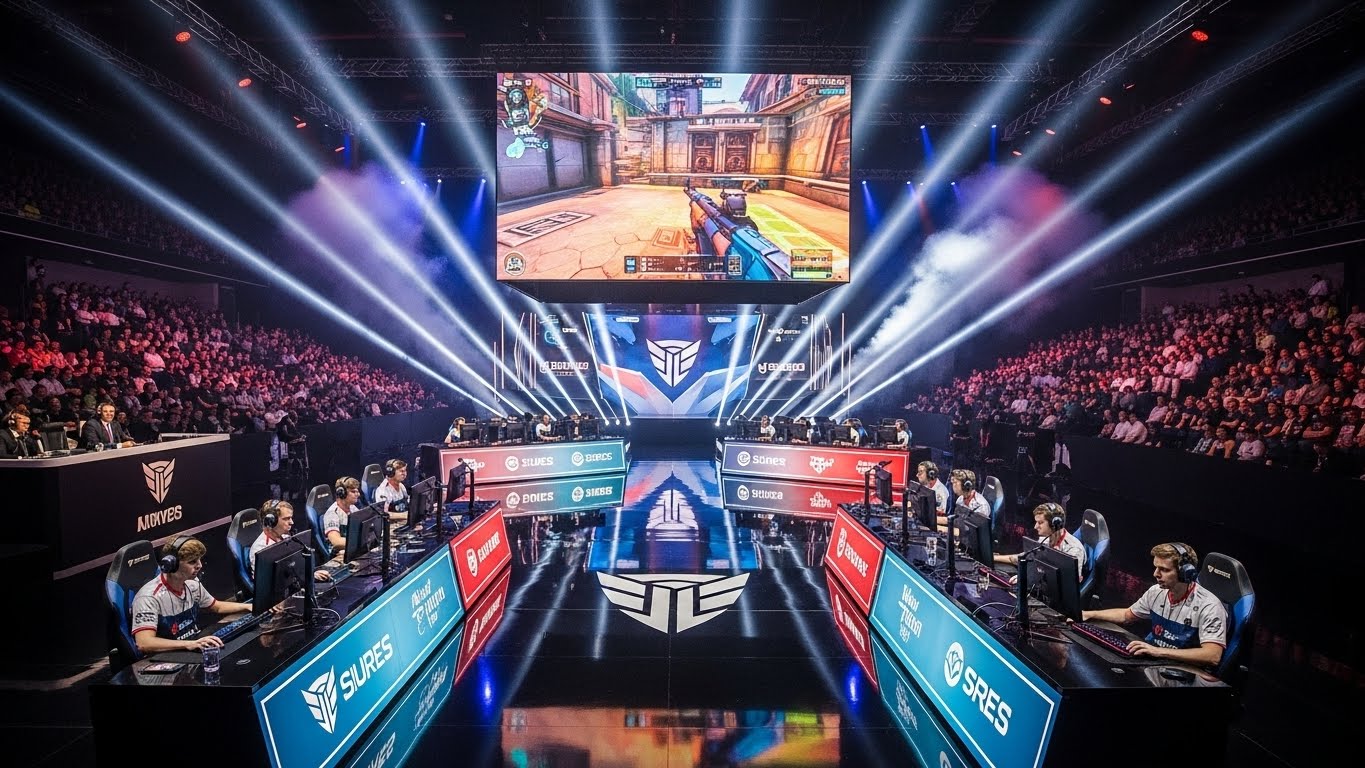
Esports, short for electronic sports, has emerged as one of the most dynamic and rapidly growing industries in the world. What began as casual gaming among friends has evolved into a professional, highly organized, and global phenomenon. From amateur competitions in small communities to professional leagues with millions of viewers, esports is reshaping how we think about sports, entertainment, and competition. In this article, we explore the rise of esports, its impact on society, education, technology, and the future of digital competition.
The Evolution of Esports
Esports is not a new concept; it has a rich history that spans decades. The first documented video game competition took place in 1972 at Stanford University, featuring the game “Spacewar.” Over the years, competitive gaming evolved through arcades and early PC games in the 1980s and 1990s. Titles like “Quake,” “StarCraft,” and “Counter-Strike” became early cornerstones of organized esports communities.
The 2000s marked a turning point with the rise of high-speed internet and online gaming. Players could compete globally, and live streaming platforms allowed fans to watch tournaments in real time. Games such as “League of Legends,” “Dota 2,” and “Overwatch” brought esports into mainstream consciousness, turning casual players into global celebrities and creating professional leagues that mirror traditional sports in structure and professionalism.
Physical and Cognitive Benefits of Esports
While esports is primarily digital, it requires significant physical and mental skills. Professional gamers rely heavily on hand-eye coordination, reflexes, and precise motor skills. Training often involves hours of practice, developing quick response times, multitasking abilities, and spatial awareness.
Mentally, esports enhances strategic thinking, problem-solving, and adaptability. Players must analyze opponents’ tactics, plan strategies, and make rapid decisions under high-pressure conditions. The discipline required in esports also teaches patience, resilience, and dedication, which are transferable to real-life situations. Studies suggest that competitive gaming can improve memory, attention span, and cognitive flexibility, particularly in younger players.
Building Communities Through Esports
Esports is more than individual competition; it fosters social connections and community building. Multiplayer games require teamwork, communication, and coordination, helping players develop interpersonal skills. Gamers often form friendships and professional networks that transcend geographic and cultural boundaries.
Large-scale tournaments and live streaming events create shared experiences, allowing fans to connect with each other and their favorite players. Online communities provide spaces for discussion, collaboration, and mentorship, encouraging inclusivity and support among gamers. The social aspect of esports highlights its role as a cultural and communal phenomenon, not just a recreational activity.
Esports as a Professional Career
One of the most significant aspects of esports is its transformation into a legitimate career path. Professional players earn income through tournament winnings, sponsorships, content creation, and streaming. Top-tier players achieve celebrity status, with earnings rivaling traditional athletes.
Beyond players, esports offers careers in coaching, analysis, commentary, event organization, and broadcasting. Universities and colleges have begun offering esports programs and scholarships, formalizing education in game strategy, management, and media production. This professionalization has elevated esports from a hobby to a respected and organized industry.
Economic Impact of Esports
The economic influence of esports is enormous. Revenue streams include tournament prizes, sponsorship deals, media rights, merchandise, and digital content. Corporations recognize the value of reaching highly engaged audiences through esports marketing and advertising.
Esports also stimulates job creation in event management, game development, and digital media sectors. Cities worldwide invest in esports infrastructure, from arenas to training facilities. The economic impact extends beyond gaming, influencing tourism, entertainment, and technology industries, highlighting esports as a multifaceted growth engine.
Technological Advancements Driving Esports
Technology plays a central role in the rise of esports. High-performance gaming devices, fast internet connectivity, and sophisticated software enable seamless online competition. Virtual reality, augmented reality, and cloud gaming are expanding immersive experiences for players and spectators alike.
Data analytics and artificial intelligence also enhance esports. AI tools track player performance, optimize strategies, and provide insights for coaching and training. Streaming platforms allow millions of fans to watch live tournaments, interact with players, and engage in community discussions. Technology not only facilitates gameplay but also reshapes audience participation and content consumption.
Esports in Education
Esports is increasingly recognized as an educational tool. Schools and universities integrate esports programs to teach teamwork, leadership, and strategic thinking. Students learn to collaborate, analyze situations, and adapt quickly, developing critical life skills.
Academic programs focused on esports management, game design, and media production prepare students for professional opportunities within the industry. Participation in esports fosters creativity, problem-solving, and cognitive growth, demonstrating that gaming can be both intellectually stimulating and educationally valuable.
Health Considerations in Esports
While esports provides cognitive and social benefits, it presents unique health challenges. Extended gaming sessions can lead to eye strain, repetitive stress injuries, poor posture, and physical fatigue. Sedentary habits may contribute to long-term health risks if not balanced with physical activity.
Mental health is equally important. Professional players experience stress, anxiety, and burnout due to competitive pressure. Addressing these concerns requires structured schedules, physical exercise, and access to mental health support. Ensuring player well-being is essential for sustainable growth within the esports industry.
Promoting Diversity and Gender Equality
Historically, esports has been dominated by male players, but the landscape is changing. Women and underrepresented groups are increasingly participating and achieving success in competitive gaming. Promoting gender equality and inclusivity strengthens the community and ensures that talent is recognized regardless of gender or background.
Safe and supportive gaming environments, inclusive tournaments, and mentorship programs help foster diversity. These initiatives encourage broader participation, enhance creativity, and contribute to the overall growth and credibility of esports as an inclusive industry.
Cultural Significance of Esports
Esports has grown into a cultural phenomenon with global influence. International tournaments attract millions of viewers, creating shared experiences across continents. Games like “Fortnite,” “Valorant,” and “League of Legends” have developed massive fanbases, shaping trends in entertainment, fashion, and media.
Esports also creates digital celebrities. Professional players and streamers inspire fans, influencing cultural norms and creating new role models for younger generations. The cultural impact of esports reflects the integration of technology, entertainment, and social interaction in the modern digital era.
Challenges Facing Esports
Despite its rapid growth, esports faces several challenges. Cheating, toxicity in communities, and inconsistent regulation threaten the integrity of competition. Accessibility remains a concern, as not all players have access to high-quality equipment or stable internet. Health risks, both physical and mental, are ongoing issues for players.
Addressing these challenges requires collaboration between game developers, tournament organizers, educators, and policymakers. Establishing standardized rules, promoting ethical practices, and ensuring player support are critical for the long-term sustainability and credibility of esports.
The Future of Esports
The future of esports is bright and full of potential. Advances in technology, including virtual reality, cloud gaming, and AI analytics, will continue to redefine gameplay and audience engagement. Global tournaments will expand, offering new opportunities for professional players, content creators, and fans.
Esports is likely to play a greater role in education, career development, and cultural exchange. By addressing health, inclusivity, and regulation, the industry can ensure sustainable growth while remaining accessible to diverse communities worldwide.
Conclusion: Esports Beyond Entertainment
Esports is more than digital competition; it is a transformative movement influencing culture, technology, education, and careers. It develops cognitive, social, and professional skills, fosters global communities, and drives economic growth. For players, it teaches discipline, strategy, and resilience. For fans, it creates shared experiences and a sense of belonging.
As esports continues to evolve, it redefines the concept of competition, proving that dedication, skill, and teamwork extend beyond traditional sports arenas. In the modern digital era, esports is not just a game—it is a platform for human potential, creativity, and innovation. The rise of esports demonstrates that the virtual arena can be as impactful and inspiring as any traditional sporting field.