

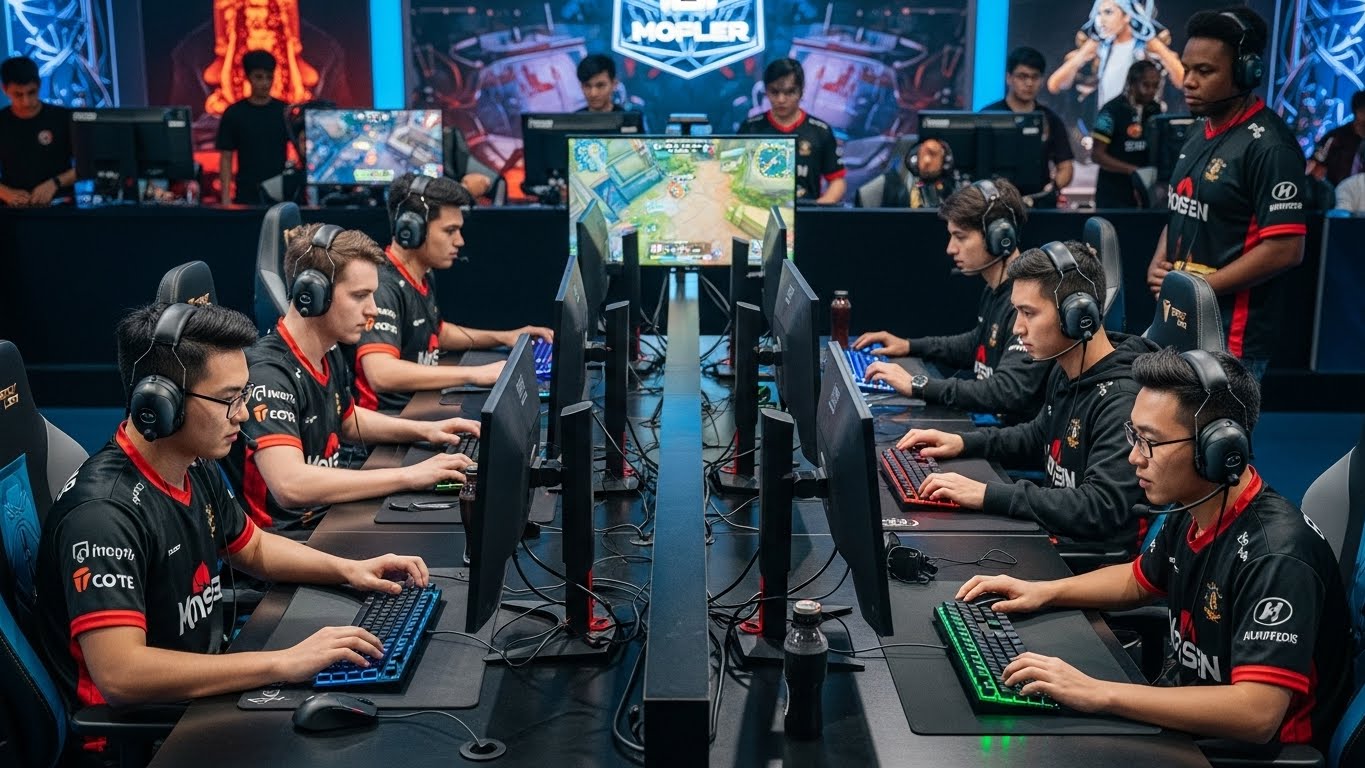
Introduction: The Evolution of Competitive Gaming
In the past two decades, esports has transitioned from a niche hobby to a global entertainment powerhouse. What started as casual competitions among friends has blossomed into a billion-dollar industry with professional leagues, global tournaments, and a massive fanbase. Esports has fundamentally changed how we perceive video games, blending entertainment, skill, technology, and culture in ways that were once unimaginable.
Today, esports is not just about playing games; it is about forming communities, creating careers, and shaping a new era of entertainment that transcends traditional boundaries. With millions of viewers, celebrity athletes, and sponsorships from global brands, esports has firmly positioned itself as a force to be reckoned with. In this blog, we will explore the rise of esports, the factors driving its growth, and the opportunities and challenges that lie ahead for this fast-growing sector.
The Global Phenomenon: What Makes Esports So Popular?
Esports is no longer confined to the realm of hardcore gamers or tech enthusiasts. It has transcended its digital origins and is now part of mainstream culture. But what exactly makes esports so appealing?
At its core, esports offers an immersive and competitive experience that combines the excitement of traditional sports with the dynamic nature of video games. Players are not just competing for fun; they are engaging in high-stakes battles that require exceptional skills, strategy, and teamwork. These elements create a thrilling spectacle for both participants and viewers.
The popularity of esports is also fueled by the accessibility of the medium. Unlike traditional sports, which often require expensive equipment, coaching, or physical prowess, anyone with a computer or console can participate in or watch esports competitions. This low barrier to entry has enabled esports to attract a diverse and global audience, from casual gamers to professional athletes.
Furthermore, esports is inherently social. Online platforms like Twitch, YouTube, and Discord allow players to stream their gameplay live, interact with fans, and build global communities. These platforms have democratized the gaming experience, making it easier for anyone to get involved, whether as a player, a fan, or a content creator. Esports also appeals to a younger demographic, who are more inclined to embrace digital forms of entertainment over traditional TV or radio.
The Esports Industry: A Billion-Dollar Business
Esports is no longer just a pastime; it is a multi-billion-dollar industry. According to recent estimates, the global esports industry is projected to exceed $1.5 billion in revenue by 2025. This explosive growth is driven by several key factors, including sponsorships, media rights, merchandise sales, and live event ticket sales.
One of the most significant revenue streams in esports is sponsorship. Major brands, from tech companies like Intel and Nvidia to consumer giants like Coca-Cola and Red Bull, are investing heavily in esports. These brands sponsor teams, tournaments, and individual players, helping to elevate the profile of esports while reaching a highly engaged and influential audience.
Media rights also contribute significantly to the industry’s economic value. Major tournaments, such as the League of Legends World Championship, the Dota 2 International, and the Fortnite World Cup, attract millions of viewers worldwide. Streaming platforms like Twitch and YouTube have become essential for broadcasting these events, while traditional TV networks are increasingly looking to capitalize on the growing popularity of esports.
Merchandise and ticket sales also contribute to esports’ economic impact. Fans eagerly purchase team jerseys, collectibles, and game-related products to show their support. Live tournaments, such as the ESL One and DreamHack festivals, attract thousands of attendees, generating revenue for the host cities and the organizers.
The rise of esports betting is another factor driving revenue. With the increasing legitimacy of esports as a sport, betting on esports events has become a booming industry in itself. Major esports betting platforms and online casinos now offer markets on games like CS:GO, League of Legends, and Valorant, further integrating esports into the broader entertainment landscape.
The Careers and Pathways in Esports
One of the most exciting aspects of esports is the potential for individuals to build careers around their passion for gaming. Gone are the days when gamers were considered loners or hobbyists. Today, professional players can earn salaries, sponsorships, and prize money on par with traditional athletes.
At the highest level, top esports players can make millions in tournament winnings and sponsorship deals. For example, the winner of The International, the largest Dota 2 tournament, took home over $30 million in prize money in 2021. This kind of financial reward is a significant motivator for aspiring gamers who want to make a career out of esports.
However, the career opportunities in esports extend beyond just playing the games. There is a growing need for professionals in areas such as coaching, analytics, broadcasting, event organizing, marketing, and game design. Esports organizations often employ a full team of experts to support their players, from coaches who help with strategy to psychologists who provide mental health support. This has led to the rise of new career pathways that did not exist a decade ago.
Universities and colleges have also recognized the growing importance of esports. Many institutions now offer scholarships for esports players, as well as degree programs in game design, digital marketing, and event management. These programs prepare students for a variety of careers within the esports ecosystem, further legitimizing esports as a professional pursuit.
The Impact of Technology on Esports
Esports would not exist without the technological innovations that make it possible. Advancements in hardware, software, and internet infrastructure have been crucial to the development of competitive gaming as a spectator sport.
The power of modern gaming PCs and consoles allows for smoother gameplay, better graphics, and more immersive experiences. Esports players rely on cutting-edge technology to maximize their performance, from high-refresh-rate monitors and customizable gaming peripherals to advanced software that enhances gameplay. The role of technology in esports is not just about improving player performance; it also enhances the viewing experience. High-definition streaming, real-time statistics, and interactive features make esports events engaging for fans around the world.
Cloud gaming is also making esports more accessible. Platforms like Google Stadia, NVIDIA GeForce Now, and Xbox Cloud Gaming allow players to compete in esports without needing high-end hardware. This democratization of gaming could open up new possibilities for esports in the future, allowing players from all backgrounds to participate and compete at the highest level.
The Cultural Influence of Esports
Esports has evolved into a global cultural phenomenon, shaping entertainment and social trends. The growing popularity of esports is closely linked to the rise of online streaming and content creation, which has led to the development of a unique esports culture. Esports personalities, including streamers, content creators, and pro players, have become household names, with fan followings that rival those of traditional celebrities.
Twitch, the world’s largest live streaming platform for gamers, has played a significant role in this cultural shift. It has given gamers the ability to share their experiences, interact with their audience, and build personal brands. Popular streamers like Ninja, Shroud, and Pokimane have turned gaming into a full-time career, attracting sponsorships, product endorsements, and media deals.
Esports has also become a central part of youth culture. Many young people today watch esports events in the same way they would follow traditional sports, and esports personalities are seen as role models. The rise of esports leagues, college competitions, and international tournaments has fostered a sense of community, providing fans with a space to connect and share their passion.
The cultural impact of esports extends beyond gaming itself. Esports has influenced music, fashion, and even language. Gaming terms like “GG” (Good Game), “noob,” and “pwned” have become part of everyday vocabulary. Esports events have also become platforms for brand collaborations, with clothing companies, tech firms, and even musicians capitalizing on the esports trend.
Challenges and Controversies in Esports
Despite its rapid growth, esports faces several challenges and controversies that need to be addressed for the industry to continue thriving. One of the primary concerns is the mental health of players. The pressure of competing at the highest level, combined with long hours of practice and the constant scrutiny from fans and sponsors, can lead to burnout, anxiety, and depression. Many organizations are beginning to prioritize mental health support, but more needs to be done to create a sustainable and healthy environment for players.
Another challenge is the issue of cheating and match-fixing. As the stakes in esports continue to rise, incidents of cheating and match-fixing have become more prevalent. Ensuring the integrity of competitions is crucial to maintaining the legitimacy of the industry. Tournaments and organizations are working on stricter anti-cheating measures, but this remains an ongoing challenge.
Finally, the representation of women in esports has been a topic of discussion. While the number of female players and teams is growing, esports is still predominantly male. Efforts to increase diversity and inclusion are gaining traction, but there is still much work to be done to make esports more welcoming to women and underrepresented groups.
The Future of Esports: What’s Next?
The future of esports is incredibly bright, with continued growth and innovation expected in the coming years. As technology advances, we can expect even more immersive experiences, with virtual reality (VR) and augmented reality (AR) likely playing a larger role in esports competitions. Cloud gaming will continue to make esports more accessible, allowing players from around the world to compete without the need for expensive hardware.
Esports will also continue to integrate with traditional sports. Several professional sports organizations, including the NBA and NFL, have already invested in esports, and many others are likely to follow. This convergence of traditional and digital sports will create new opportunities for collaboration, sponsorships, and fan engagement.