

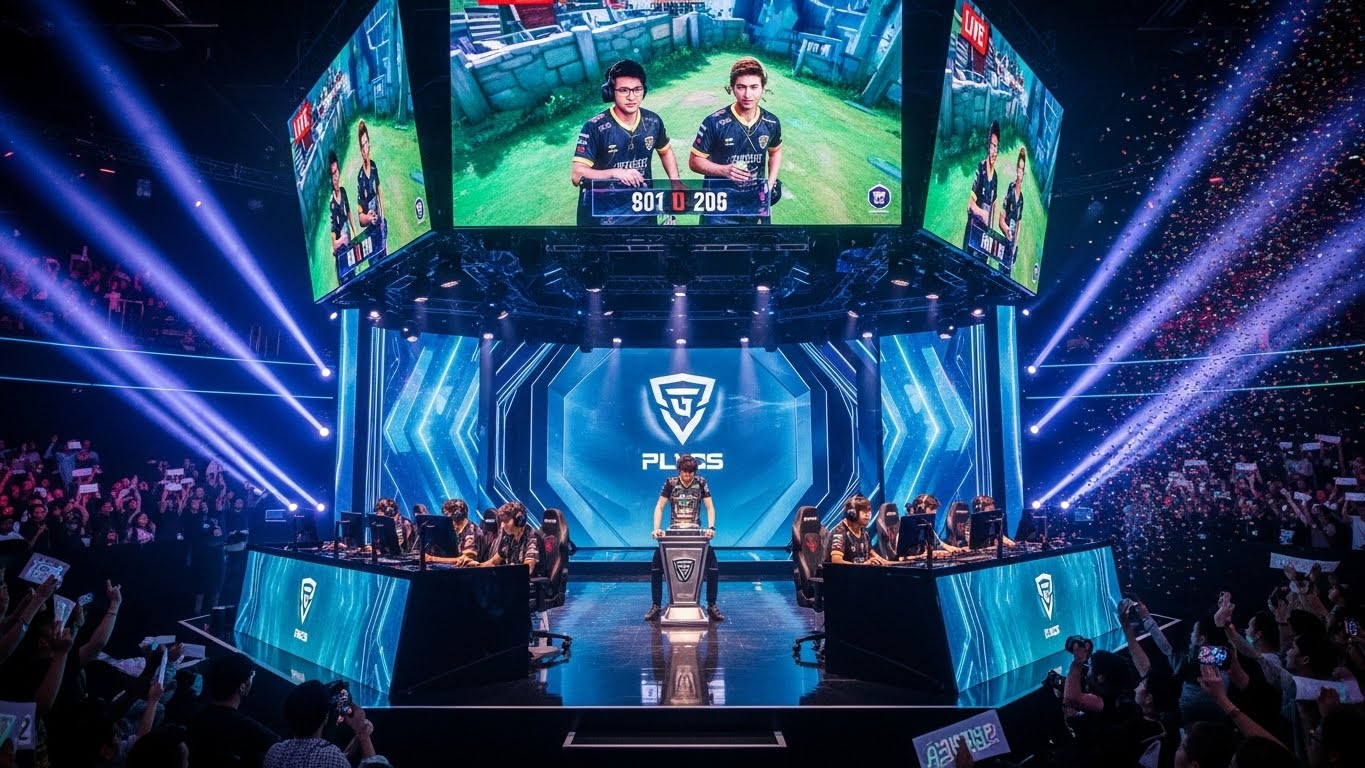
Introduction: The Rise of Esports
Esports, or competitive video gaming, has transformed from a niche hobby into a multi-billion-dollar industry over the past two decades. Once limited to small gatherings and informal tournaments, esports now attracts millions of players and spectators globally. It has become a cultural force that bridges technology, entertainment, and sports, creating opportunities for players, fans, and businesses alike. Unlike traditional sports, esports thrives entirely in digital arenas, yet it shares the same competitive intensity, teamwork, and strategic depth. This blog explores the history, growth, and impact of esports, as well as its future potential.
The Origins of Competitive Gaming
Competitive gaming is not a new concept, but its modern incarnation can be traced back to the late 20th century. In the 1970s and 1980s, arcade games such as Space Invaders, Pac-Man, and Donkey Kong led to informal competitions and high-score challenges. The 1990s saw the rise of multiplayer PC games like Quake, StarCraft, and Counter-Strike, which allowed players to compete online and form communities. Early esports events were primarily grassroots, often organized by local enthusiasts, but they laid the foundation for the structured tournaments and leagues that define the industry today.
The Emergence of Professional Esports
By the early 2000s, competitive gaming began to professionalize. Players started treating esports as a serious pursuit, dedicating hours to practice, strategy, and team coordination. Organizations formed professional teams, often sponsored by gaming companies, and tournaments began offering cash prizes. Games such as Dota 2, League of Legends, and Counter-Strike became staples of the professional circuit, with large-scale tournaments attracting thousands of attendees and millions of online viewers. Professional esports players now train much like traditional athletes, combining physical conditioning, mental coaching, and strategic preparation to maintain peak performance.
The Global Audience for Esports
Esports has developed a massive and diverse global audience. Millions of fans watch competitions through streaming platforms, television broadcasts, and live events. Unlike traditional sports audiences, esports fans engage interactively, participating in live chats, forums, and social media communities. The demographic is largely younger, with digital-native viewers who are comfortable navigating multiple platforms simultaneously. This engagement creates strong loyalty to teams, players, and gaming titles, making esports an appealing market for sponsors and brands.
The Role of Streaming Platforms
Streaming platforms have been instrumental in the growth of esports. Platforms like Twitch and YouTube Gaming allow players to broadcast their matches live, reaching global audiences instantly. Streamers provide entertainment, tutorials, and commentary, blurring the lines between competitive gaming and content creation. Streaming also democratizes participation, enabling amateur players to gain visibility, learn strategies from professionals, and develop their own followings. Monetization opportunities through subscriptions, donations, and sponsorships have made streaming a viable career path for many gamers.
Team-Based Esports and Strategic Depth
Many esports titles are team-based, requiring coordination, communication, and strategy. Games like League of Legends, Dota 2, and Overwatch emphasize teamwork, role specialization, and tactical planning. Success depends on the ability to adapt to opponents, execute strategies in real-time, and maintain synergy under pressure. These games cultivate skills such as leadership, decision-making, and critical thinking, highlighting that esports is as much about cognitive ability as it is about reflexes and technical skill.
Individual Esports and Personal Mastery
While team-based games dominate, individual esports also play a significant role. Titles like StarCraft, Fortnite, and fighting games such as Street Fighter focus on personal skill, precision, and strategy. Individual esports emphasize self-discipline, practice, and mental resilience. Players must analyze opponents, refine mechanics, and maintain focus for extended periods. The intensity of individual esports competitions mirrors the pressure faced by athletes in traditional sports, showcasing the professional rigor required to excel.
Economic Impact of Esports
Esports has grown into a multi-billion-dollar industry, generating revenue from sponsorships, advertising, media rights, merchandise, and ticket sales. Major tournaments offer prize pools rivaling those of traditional sports, attracting top-tier talent and global attention. Brands recognize esports’ marketing potential, connecting with a digitally native audience that is highly engaged and influential. The industry’s economic impact extends beyond players and teams, creating opportunities for coaches, analysts, broadcasters, event organizers, and content creators.
Esports and Technology
Technology drives every aspect of esports, from gameplay to spectator experience. High-performance computers, gaming peripherals, and fast internet connections are essential for competitive play. Advanced software analytics helps players review performance, develop strategies, and refine teamwork. Broadcasting innovations, including high-definition streams, instant replays, and virtual reality experiences, enhance viewer engagement. Esports continues to push technological boundaries, blending entertainment, competition, and digital innovation seamlessly.
Education and Esports
Educational institutions increasingly recognize esports as a legitimate field for learning and development. Schools and universities offer esports programs, scholarships, and competitive teams. These programs teach critical skills such as teamwork, leadership, strategy, and digital literacy. Student-athletes benefit from structured training, mentorship, and opportunities to compete at collegiate or even international levels. Incorporating esports into education validates the skill, discipline, and professionalism required, further establishing esports as a credible industry.
Esports as a Cultural Phenomenon
Esports has grown into a global cultural movement. Professional players become celebrities, tournaments draw international attention, and fan communities thrive online. Esports influences fashion, music, and entertainment trends, while fostering inclusivity and diversity within its community. The culture of esports celebrates creativity, innovation, and collaboration, reflecting broader societal shifts toward digital connectivity and interactive participation. It also bridges generational gaps, bringing together fans, players, and enthusiasts from different backgrounds and regions.
Challenges Facing Esports
Despite its rapid growth, esports faces several challenges. Player burnout, mental health issues, cheating, and inconsistent regulations can undermine competition integrity. The intense schedules and pressure to perform at elite levels can affect both physical and mental well-being. Furthermore, the industry must address issues of accessibility and fairness to ensure that esports remains inclusive. Balancing commercialization with ethical practices, ensuring fair play, and supporting player welfare are crucial for the long-term sustainability of the industry.
The Future of Esports
The future of esports is filled with opportunities and innovation. Emerging technologies such as virtual reality, augmented reality, and cloud gaming will redefine gameplay and fan experiences. Greater integration with traditional sports, education, and entertainment industries is expected, creating hybrid experiences and new revenue streams. As esports expands globally, standardized regulations, better player support systems, and inclusive initiatives will strengthen the industry. Esports is poised to continue its trajectory as a mainstream cultural, competitive, and economic force.
Conclusion: Esports as a Transformative Industry
Esports has evolved from small-scale competitions into a global phenomenon that shapes culture, technology, and entertainment. It offers professional opportunities, fosters communities, and engages audiences in ways traditional sports cannot replicate. Competitive gaming blends skill, strategy, teamwork, and innovation, making it both a legitimate sport and a cultural force. As technology advances and the industry grows, esports will continue to redefine competition, entertainment, and digital engagement, leaving a lasting impact on global culture.