

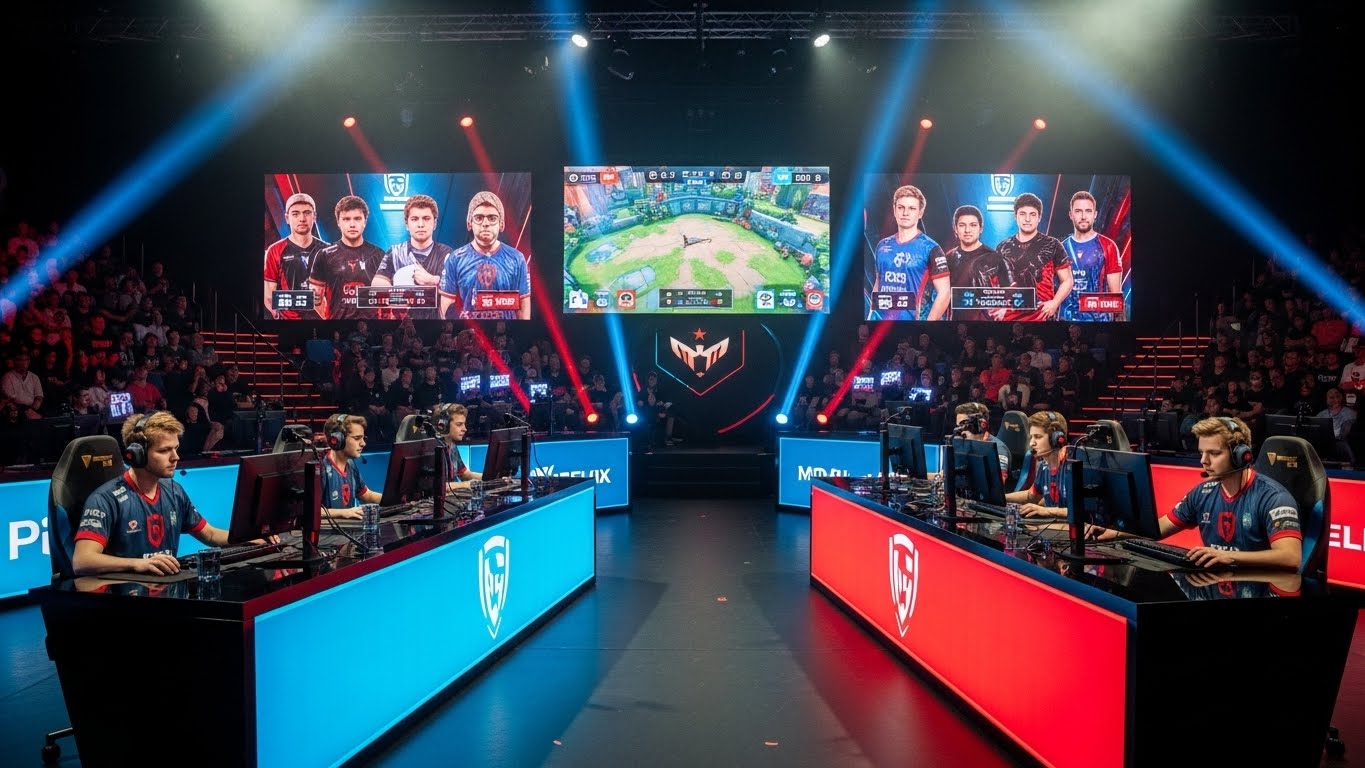
Esports, or electronic sports, has evolved from a niche hobby into a global phenomenon that rivals traditional sports in viewership, revenue, and cultural influence. Once dismissed as mere video gaming, esports now represents a multi-billion-dollar industry with professional leagues, sponsorship deals, and dedicated fan bases around the world. This transformation reflects not only advancements in technology but also changes in how people engage with entertainment and competition. In this article, we explore the rise of esports, its impact on society, and what the future holds for this rapidly growing arena.
The Origins of Esports
The roots of esports can be traced back to the 1970s and 1980s, when early arcade and console competitions emerged. Titles such as “Space Invaders” and “Pac-Man” sparked local competitions, while the advent of home consoles brought gaming into the living room. However, it was not until the 1990s that esports began to take a more organized form with the rise of multiplayer PC games like “Quake” and “StarCraft.” These games introduced competitive elements such as rankings, tournaments, and spectator interest, laying the foundation for modern esports.
The early 2000s saw the emergence of professional leagues and online platforms, enabling players from different parts of the world to compete in real time. South Korea, in particular, became a hub for professional gaming, with televised competitions and professional teams gaining mainstream recognition. This era proved that esports was more than just a pastime—it could be treated as a serious, skill-based competition.
The Explosion of Popular Titles
Today, esports spans a wide variety of genres, each attracting dedicated communities and professional players. Multiplayer online battle arenas (MOBAs) like “League of Legends” and “Dota 2” dominate global tournaments with millions of viewers. First-person shooters (FPS) such as “Counter-Strike: Global Offensive” and “Call of Duty” attract intense competition and high-stakes championships. Battle royale games like “Fortnite” and “PUBG” introduced fast-paced, spectator-friendly formats that appeal to younger audiences.
Sports simulation games also play a major role in the esports ecosystem. Titles such as “FIFA” and “NBA 2K” allow players to recreate real-world sports experiences digitally, blurring the line between virtual and traditional athletic competition. Each game offers unique strategies, mechanics, and community cultures, contributing to the diversity and depth of esports as an entertainment medium.
Professionalization and Career Opportunities
Esports has grown into a legitimate career path for many individuals. Professional players undergo rigorous training schedules comparable to traditional athletes, often practicing six to ten hours a day. Teams employ coaches, analysts, and support staff to optimize performance and strategy, emphasizing the professional nature of competitive gaming.
Beyond playing, esports offers a variety of career opportunities. Commentators, content creators, event organizers, and game developers all contribute to the industry’s growth. Sponsorships and brand partnerships provide additional income streams, with top players earning salaries, tournament winnings, and endorsement deals. The professionalization of esports has elevated its status, turning what was once a hobby into a viable, respected career path.
The Role of Streaming and Content Creation
Streaming platforms have played a crucial role in the rise of esports. Services that allow players to broadcast live gameplay have transformed spectators into active participants. Viewers can interact with streamers through chat, donate to support their favorite creators, and engage with communities built around shared gaming experiences.
Content creation has also expanded the reach of esports beyond competitive play. Tutorials, highlight reels, and behind-the-scenes documentaries help fans connect with players and understand the complexities of each game. This content-driven ecosystem has turned esports into a cultural phenomenon, creating celebrities and influencers who shape gaming trends and inspire the next generation of competitors.
Global Tournaments and Fan Culture
Major esports tournaments are now held in stadiums and arenas, drawing tens of thousands of live spectators alongside millions of online viewers. Events such as the League of Legends World Championship, The International for Dota 2, and the Fortnite World Cup have prize pools in the millions, rivaling those of traditional sports. These tournaments not only showcase elite skill but also foster a sense of community and excitement among fans worldwide.
Fan culture in esports is unique and highly interactive. Fans follow their favorite teams and players, participate in online forums, and even cosplay as their favorite characters. Merchandise, social media interactions, and community events strengthen the bond between players and audiences, creating an immersive entertainment ecosystem that goes beyond mere competition.
Technology Driving the Esports Boom
Advances in technology have been a driving force behind the esports explosion. High-speed internet, streaming software, and powerful gaming hardware have made competitive gaming accessible and enjoyable for a global audience. Virtual reality and augmented reality technologies are beginning to offer new ways to engage with games, providing immersive experiences for both players and spectators.
Analytics and data-driven insights also play a crucial role. Teams use advanced statistics to improve strategy, track player performance, and predict opponents’ behavior. This fusion of technology and competitive analysis mirrors trends in traditional sports, reinforcing esports as a serious, skill-based endeavor.
The Economic Impact of Esports
Esports has emerged as a major economic force. Sponsorships, advertising, media rights, and merchandise contribute to a growing multi-billion-dollar industry. Brands recognize the potential of reaching younger audiences who consume traditional media less frequently, leading to significant investments in esports marketing.
The economic impact extends beyond revenue generation. Esports creates jobs in technology, event management, marketing, and content creation. Cities hosting major tournaments benefit from tourism and infrastructure development, similar to the impact of large sporting events. As the industry continues to expand, its influence on global economies is likely to increase.
Challenges and Criticisms
Despite its growth, esports faces challenges and criticisms. Concerns about player burnout, mental health, and the pressure to perform are prominent. Long hours of practice and high expectations can lead to stress, anxiety, and physical strain. Addressing these issues requires better support systems, including mental health resources, structured schedules, and responsible management practices.
Additionally, esports must grapple with issues of inclusivity and diversity. While progress has been made, gender representation remains uneven, and opportunities for players from underrepresented backgrounds are limited. Addressing these challenges is essential to ensure that esports grows as a fair and inclusive industry.
The Future of Esports
The future of esports looks promising. With increasing mainstream recognition, expanding prize pools, and technological innovations, esports is poised to continue its rapid growth. Virtual reality tournaments, AI-driven analytics, and cross-platform competitions may redefine the spectator experience.
Education and professional training programs are beginning to recognize esports as a legitimate field. Universities now offer scholarships for esports athletes, and specialized academies train players in both gaming skills and professional conduct. These initiatives demonstrate that esports is not a passing trend but a sustainable and evolving sector of entertainment.
Conclusion: A Cultural Revolution in Competitive Entertainment
Esports has transformed the landscape of competitive entertainment, offering new ways to engage, connect, and compete. From humble beginnings in arcades to stadium-filling tournaments watched by millions worldwide, esports has proven that digital competition can rival traditional sports in both excitement and professionalism.
The industry continues to grow, fueled by technological advancements, passionate communities, and the dedication of players and teams. While challenges such as mental health, inclusivity, and sustainability remain, the trajectory of esports is undeniable. It represents a cultural shift, redefining what it means to compete, spectate, and be part of a global digital community.
As esports continues to evolve, it will influence not only gaming but also entertainment, media, and even education. Beyond the screen, esports is shaping a new era of competition—one where skill, strategy, and community intersect in ways never before imagined. The world of esports is no longer just a game; it is a revolution in how we play, watch, and experience competitive entertainment.