

Introduction
Esports, short for electronic sports, has transformed from a niche hobby into a global entertainment powerhouse. Once viewed merely as casual gaming, esports now commands enormous audiences, professional athletes, sponsorship deals, and international tournaments. What was once simply a pastime for passionate gamers has become a recognized discipline that blends strategy, skill, teamwork, and spectacle. As esports continues to grow, it reshapes not only how we view competition but also how we understand entertainment, technology, and digital culture. This blog explores the world of esports, its explosive rise, its cultural impact, and the future it promises.
The Origins of Esports
Although esports may seem like a new phenomenon, its roots trace back several decades. Competitive gaming’s earliest forms appeared in arcade halls where high scores were badges of honor. Early computer tournaments followed, including competitions centered around puzzle games, space shooters, and strategy titles. As the internet became more widespread, online multiplayer gaming ushered in an era where players from around the world could compete in real time. Esports evolved naturally from this environment, expanding rapidly as technology advanced and online communities grew. What began as small gatherings in local gaming cafés eventually escalated into stadium-filled tournaments watched by millions.
The Components of Esports Success
The success of esports can be attributed to multiple factors working together. The accessibility and affordability of gaming equipment allow a vast number of participants to engage in competitive play. Fast internet speeds enable smooth online experiences, making global competition seamless. Game developers intentionally design titles that are balanced, strategic, and spectator-friendly, creating ideal conditions for professional competition. Streaming platforms provide global access, allowing anyone to watch competitive matches from home. Together, these elements have shaped esports into a thriving ecosystem with widespread appeal.
The Rise of Professional Players
Esports athletes dedicate countless hours to refining their abilities, studying opponents, and collaborating with teammates. Their skill sets often involve rapid decision-making, strategic planning, mechanical precision, and intense focus. Professional players compete in structured leagues and tournaments, often representing organizations that provide coaching, training facilities, nutrition guidance, and psychological support. These athletes are recognized much like traditional sports professionals, with fan bases, brand endorsements, and international recognition. The rise of esports players as celebrities demonstrates the cultural evolution of competition in the digital age.
Esports Games and Genres
Esports encompasses a variety of games and genres, each with its own style, strategy, and community. Popular genres include team-based battle arenas, first-person shooters, real-time strategy games, and sports simulations. Each game emphasizes different skills, whether precise aim, complex strategy, teamwork, or rapid adaptability. This diversity ensures that esports appeals to a wide audience with varied interests. Spectators can enjoy fast-paced action, deep strategic battles, or technically complex gameplay depending on the game they choose to follow. The wide range of genres contributes to the global popularity of esports.
The Spectator Experience
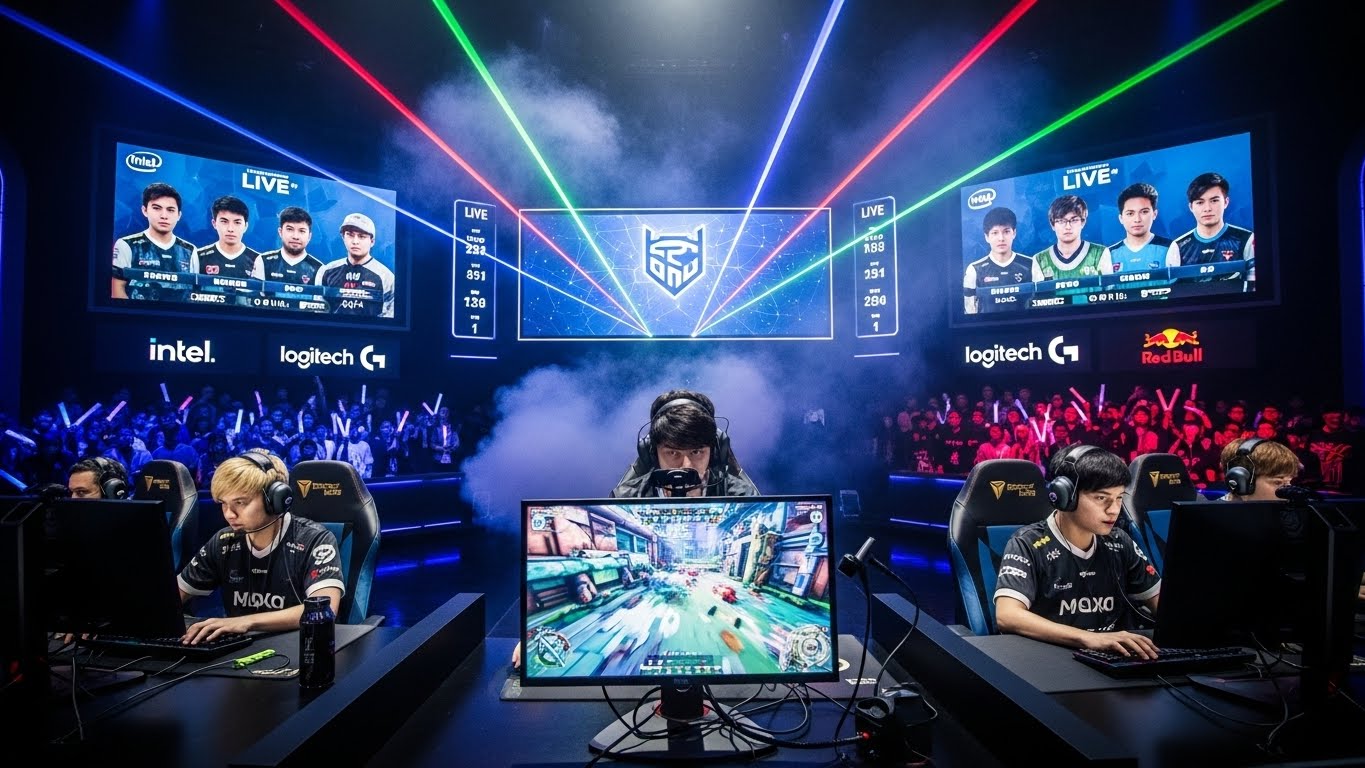
One of the most unique aspects of esports is its accessible spectator experience. Unlike traditional sports where fans rely solely on physical vantage points, esports fans enjoy multiple perspectives simultaneously. Spectators can view gameplay from any angle, follow specific players, or watch expert commentary that breaks down strategy in real time. Bright visuals, dynamic action, and thrilling moments make esports incredibly engaging. Esports events combine the energy of live entertainment with the precision of digital visualization. This creates a viewing experience that is immersive, thrilling, and highly informative, enhancing the excitement for newcomers and veterans alike.
The Role of Streaming and Content Creators
Streaming platforms have played an essential role in the growth of esports. Professional players, content creators, and gaming personalities stream their gameplay to millions of fans. This creates a constant cycle of engagement where audiences not only watch competitive matches but also follow their favorite players outside tournaments. Content creators play a crucial role in educating, entertaining, and expanding the gaming community. Their influence extends into esports as they showcase professional techniques, analyze matches, and participate in community events. Streaming has democratized esports, giving fans direct access to the world of competitive gaming.
The Business of Esports
Esports has developed into a massive industry that generates significant revenue from sponsorships, merchandise, advertising, live events, and team organizations. Companies from technology, energy drinks, sports apparel, and even automobile industries invest heavily in esports. Organizations recruit players, build training infrastructures, and engage with global audiences. Prize pools for major tournaments often reach multi-million dollar levels, drawing top talent and international attention. Esports blends entertainment, technology, and business in a way that appeals to both investors and consumers. Its economic impact continues to expand as new partnerships and opportunities emerge.
Global Expansion of Esports
Esports has achieved worldwide recognition, with major regions including Asia, Europe, North America, and South America contributing to its growth. Countries invest in esports infrastructure, host international events, and support educational programs centered around competitive gaming. Universities around the world now offer scholarships and degrees related to esports management, game design, and professional play. Esports has become a cultural bridge, connecting players and fans across continents. The global nature of the industry enhances cultural exchange and fosters a spirit of international competition that mirrors traditional sports.
Esports and Education
Education systems have recognized the value of esports for developing strategic thinking, teamwork, communication, and leadership skills. Schools and universities create esports clubs and varsity teams, encouraging students to participate in structured competition. Esports also opens pathways to careers in coaching, event management, broadcasting, game development, and marketing. Students gain technical and social skills through gaming, preparing them for the digital workforce. The integration of esports into education demonstrates its broader impact beyond entertainment.
Physical and Mental Demands
Contrary to common misconceptions, esports requires significant physical and mental discipline. Players must maintain quick reflexes, hand coordination, and long periods of focus. Training routines include physical exercise to support flexibility, posture, and stamina. Mental toughness is essential, as professional players face pressure from high-stakes competitions, public attention, and performance expectations. Many teams employ sports psychologists to help players manage stress and improve communication. Esports athletes demonstrate that competitive gaming requires dedication, resilience, and a holistic approach to performance.
Community and Culture in Esports
Esports has created vibrant communities filled with enthusiasm, creativity, and passion. Fans engage in discussions, create fan art, celebrate memorable moments, and support their favorite teams. Events such as conventions, fan meet-ups, and community tournaments strengthen the bond between players and audiences. Esports culture embraces innovation, diversity, and global unity, reflecting how digital entertainment connects people across different backgrounds. The sense of belonging within esports communities enriches the experience for participants and spectators alike.
Challenges in the Esports Industry
Despite its success, esports faces challenges that must be addressed. Issues such as player burnout, competitive integrity, economic stability, and fair regulation require constant attention. Ensuring healthy training environments, preventing cheating, and establishing clear governance are essential for the long-term sustainability of esports. Balancing commercial interests with community values is another ongoing challenge. Addressing these concerns will help solidify esports as a respected and enduring global industry.
The Future of Esports
The future of esports promises continued growth and innovation. Advancements in virtual reality, augmented reality, and artificial intelligence will introduce new competitive formats and immersive experiences. Esports may expand into education, professional sports collaborations, and digital entertainment in ways that redefine how people interact with games. New audiences will emerge as technology becomes more integrated into daily life. Esports will continue shaping entertainment, offering endless possibilities for creativity, competition, and connection.
Conclusion
Esports has evolved into a groundbreaking global industry that combines competition, technology, creativity, and community. It represents a new era of entertainment where digital skills meet athletic discipline and where fans gather virtually and physically to celebrate the achievements of talented players. Esports influences culture, education, business, and global interaction, making it far more than a simple pastime. As it continues to expand, esports will remain a powerful force reshaping how people play, compete, and connect in an increasingly digital world.