

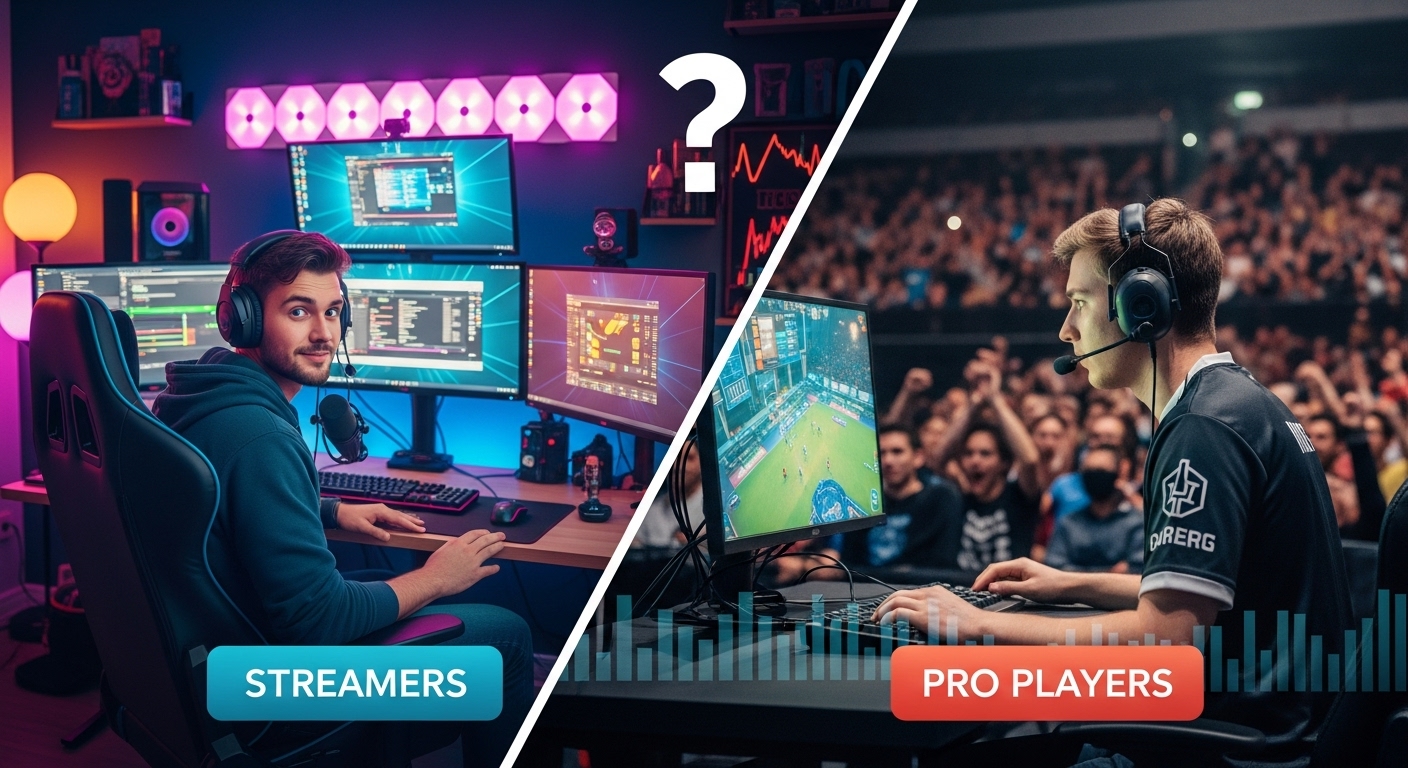
Competitive gaming in Africa is no longer an idea on the horizon — it’s a living, breathing movement. From basement LAN parties in Accra to packed arenas in Johannesburg, the continent is proving it has the players, the creativity, and the audience to build a globally competitive esports ecosystem. But potential alone doesn’t convert to sustainable success. This post explores where African competitive gaming stands today, why the continent matters to the global esports map, the practical barriers to growth, and a realistic roadmap for players, organizers, investors, and policymakers who want to turn potential into performance.
A short history: how we got here
Esports in Africa grew organically, following familiar patterns: passionate gamers, limited local infrastructure, and creative workarounds. Early scenes focused on PC cafés, console communities, and localized tournaments. Mobile gaming then exploded the base — devices were already in pockets, and titles like multiplayer MOBAs and battle royales created instant, low-barrier competitive formats.
Local organizers and influencers filled critical roles. They built community around streaming, hosted small prize tournaments, and steadily professionalized teams. Where formal investment lagged, grassroots organizers hustled — connecting sponsors, local brands, and communities. The result: a mosaic of scenes across many countries, each unique but united by hunger and ingenuity.
Why Africa matters to global esports
- Young population and growing audience
Africa has one of the youngest median ages worldwide. Young people adopt digital culture quickly — gaming is no exception. As smartphone penetration and internet access expand, so does an audience primed for gaming content, tournaments, and social viewing. - Large mobile-first market
Unlike many Western markets where PC and console are dominant, Africa’s gaming growth is mobile-first. That matters because blockbuster mobile esports titles have low entry barriers and massive player bases — ideal for scaling competitive ecosystems fast. - Creative, cost-effective talent
African players and creators are resourceful. Given fewer resources, they develop distinctive playstyles, content angles, and community-building methods. That creativity can become a competitive advantage internationally. - Untapped commercial opportunity
Global brands are hungry to reach African consumers via local culture. Esports provides a modern channel to engage youth audiences through sponsorships, events, and content. For international esports companies, Africa represents significant near-term growth if the right investments are made.
The current landscape: diversity, not uniformity
Africa’s esports scene isn’t one thing — it’s many. South Africa, Egypt, Nigeria, Kenya, Morocco, and others show differing levels of maturity:
- South Africa often leads with more developed infrastructure, regular LAN events, and professional teams.
- North African countries like Egypt and Morocco have strong PC and console communities supported by good internet infrastructure in urban centers.
- West Africa has a fast-growing mobile gaming scene driven by Nigeria and Ghana.
- East Africa, particularly Kenya and Uganda, is experiencing growth in grassroots organizing and content creation.
- Francophone Africa has its own circuits and influencers, often centered around regional language and culture.
Across these scenes, you’ll find a common pattern: enthusiastic players, small but growing professional organizations, passionate content creators, and an audience that prefers mobile and social formats.
Strengths that can be scaled
1. Massive audience potential
Even conservative estimates show that as mobile internet becomes cheaper and devices become more capable, the potential viewer and player base rises quickly. Esports content — highlights, short clips, and influencer streams — travels well on social platforms already popular on the continent.
2. Mobile-native culture
Many African gamers are already experts at mobile-only play. Titles that require minimal hardware and are globally popular (or local variants) become perfect competitive pillars for regional leagues.
3. Cost efficiencies
Operating costs for events, marketing, and team development are often lower than in Western markets. That allows experiments: smaller events, niche leagues, and alternative monetization models can be tested affordably.
4. Entrepreneurial spirit and local content creation
Local organizers and content creators are nimble. They know how to localize content and engage communities culturally — an essential competitive differentiator versus generic international productions.
Infrastructure & technology: the central bottleneck
The biggest single barrier to rapid competitive growth is infrastructure. Esports relies on stable, low-latency internet, reliable power, modern venues, and access to hardware. In many parts of Africa these are inconsistent.
Connectivity
- Urban centers often have acceptable bandwidth for streaming and online competition, but rural access lags.
- Latency—ping stability—is a challenge for real-time competitive titles; cross-border play can be unreliable without regional server support.
Venues & power
- Dedicated esports arenas exist in a few cities, but most competitions are still held in multipurpose venues or internet cafés.
- Frequent power outages and insufficient backup systems can derail events and player training.
Hardware & peripherals
- Competitive-grade hardware (PC rigs, consoles, peripherals) is expensive and often hard to source. Many teams rely on sponsorships or refurbished equipment.
Payment & monetization systems
- Monetizing content or in-game purchases requires payment systems that work locally. Fragmented payment rails increase friction for both fans and organizers.
That said, infrastructure is improving — public and private investment in fiber, more affordable devices, and better payment platforms are all positive signals. The rate of improvement will determine how quickly large-scale competitive ecosystems can be built.
Talent pipeline: from casual to pro
One of the most promising aspects of African esports is the raw talent pool. Players show mechanical skill, creativity, and resilience. But converting talented players into world-class professionals requires structured pathways:
- Coaching and analytics: Professional coaching, VOD review, and performance analytics are still rare. Investing in training infrastructure would accelerate player development.
- Regular competition: Consistent, well-organized leagues and tournaments give players experience under pressure and scouting visibility.
- Team support services: Nutrition, physical training, mental health support, and career coaching are often absent but increasingly important as scenes professionalize.
- Talent discovery: Local tournaments, school leagues, and mobile app-based scouting can unearth players in unexpected places.
Supporting these elements creates a visible ladder: casual play → local competitive scenes → semi-pro teams → international exposure.
Business opportunities: where money can be made
If African esports is to scale, it needs sustainable business models. Here are the major commercial levers:
1. Sponsorship & brand partnerships
Local and international brands can sponsor teams, events, and content creators. The right brands will be those looking to reach younger consumers authentically.
2. Content & media rights
As viewership grows, media rights for local leagues or highlight packages become valuable. Localized content for social platforms often outperforms translated international content.
3. Event ticketing and experiential revenue
In-person events bring ticket sales, vendor opportunities, and hospitality partnerships. Well-run local events also attract regional sponsors.
4. Game publisher support
Publishers looking to expand player bases will support local leagues, server infrastructure, and events — especially for mobile titles with mass appeal.
5. Merchandising & microtransactions
Team merchandise, digital items, and in-game purchases localized to affordable price points are strong revenue channels.
6. Education & training services
Bootcamps, coaching courses, and content production workshops can monetize the knowledge gap as the scene professionalizes.
Barriers and risks: realistic headwinds
Despite the promise, there are substantial challenges that must be acknowledged and addressed.
1. Infrastructure inequality
Urban-rural divides in internet speed and power reliability create unequal opportunities. Addressing this requires public-private cooperation.
2. Investment scarcity and risk aversion
Many local sponsors and institutional investors are unfamiliar with esports. Convincing conservative stakeholders to fund teams, venues, and events takes time and education.
3. Regulatory and cultural hurdles
Some regions have unclear policies regarding gaming, online payments, or betting, which can limit monetization or create legal uncertainty.
4. Talent drain and brain drain
Top players may leave for better-supported scenes abroad. Without competitive salaries and pathways, local scenes risk losing their best talent.
5. Server access and publisher support
When publishers don’t provide local servers, competitive play is hampered by high latency. Building regional server support requires coordination and often direct investment from publishers or platforms.
6. Monetization friction
Fragmented payment systems and lower disposable incomes mean ticket pricing, digital purchases, and subscriptions must be carefully adapted to local realities.
Success stories and early wins
Across the continent, pockets of success prove the thesis: African esports can thrive. Think of teams that have achieved regional prominence, leagues that draw consistent audiences, or content creators who built national followings. (I won’t list specific names to avoid being incomplete; what’s important is the pattern — success often follows community-first approaches, consistent content, and strategic local partnerships.)
These early wins show a repeatable recipe:
- Start small and local — build loyal communities before scaling.
- Localize content — language, cultural references, and regional influencers matter.
- Partner early with publishers — securing server access or tournament support unlocks growth.
- Create clear player pathways — scholarships, bootcamps, and stable team contracts reduce talent churn.
Roadmap: turning potential into sustainable ecosystems
Here’s a practical roadmap with actions for stakeholders.
For governments & policymakers
- Improve digital infrastructure: Invest in broadband and power reliability in urban hubs. Tax incentives for data centers and esports venues can catalyze private investment.
- Clarify regulations: Create clear frameworks for online payment, youth participation, and event licensing.
- Support education: Encourage partnerships between schools, universities, and esports organizations for scholarships and training programs.
For investors & sponsors
- Start with pilot programs: Fund small leagues, community events, or team scholarships to learn the market.
- Localize sponsorships: Activate through community creators and local events rather than only global assets.
- Be patient: ROI may be slower than in mature markets but can be substantial as the ecosystem matures.
For publishers & platforms
- Deploy regional servers: Lower latency is the single biggest technical improvement for competitiveness.
- Support grassroots tournaments: Provide tooling, prize support, or branded event kits for local organizers.
- Local monetization models: Offer localized pricing and payment channels.
For organizers & teams
- Professionalize operations: Transparent contracts, clear player development plans, and basic team support (health, scheduling) boost player retention.
- Invest in content: Short-form video, highlight reels, and storytelling grow fanbases even when live viewership is small.
- Build community: Discord/Telegram/WhatsApp communities and school outreach feed the talent pipeline.
For players & creators
- Focus on visibility: Regular streaming, highlight clips, and cross-platform content attract scouts and sponsors.
- Skill diversification: Players who can stream, create tutorials, or coach increase their income stability.
- Network regionally: Cross-country scrims and mixed-region leagues raise competitive levels.
Practical models that work in Africa
- Mobile-first leagues
Create city-level mobile leagues that culminate in national finals. Mobile titles lower entry barriers and produce broad participation quickly. - University circuits
Student leagues offer structured competition and a pipeline for talent. Universities can provide venues, networks, and legitimacy. - Hybrid online-offline tournaments
Use online qualifiers to widen participation and offline finals to create spectacle. This balances access with production value. - Community-driven monetization
Leverage community support (crowdfunding, micro-subscriptions, and creator memberships) to supplement sponsorships while scaling audience engagement.
Measuring success: what good looks like
Short-term indicators:
- Regular monthly tournaments with stable participation.
- Growing streamer viewership and social engagement.
- Sponsors activating in multiple events rather than one-offs.
Mid-term indicators:
- Professional teams with stable contracts and revenue streams.
- Localized server support and improved latency for competitive play.
- Increasing inflow of regional prize money and ticketed events.
Long-term indicators:
- African teams competing credibly in international qualifiers.
- A domestic industry with jobs across production, coaching, and events.
- Sustainable monetization across sponsorships, content, and merchandising.
A few cautionary notes
- Don’t copy-paste Western models wholesale. Africa is not a single market; local cultural nuances and payment realities require tailored approaches.
- Avoid over-reliance on one revenue source. Diversified models (sponsorships, events, content, and education) are more resilient.
- Don’t neglect the player welfare dimension. Burnout and poor contracts are real risks as scenes professionalize.
Conclusion: a realistic optimism
Africa’s potential in competitive gaming isn’t a distant dream — it’s a present-day truth with work still to be done. The continent has the audience, creativity, and entrepreneurial energy to build a durable esports ecosystem. The missing pieces are infrastructure, patient capital, clearer policy frameworks, and better pathways for talent development.
What will accelerate progress? Smart, localized investments by publishers and brands; government policies that enable digital growth; and continued grit from local organizers who have already proven they can do a lot with a little. When those elements align, African competitive gaming won’t just be a growth market — it will be a source of global competitive talent and cultural innovation.