

Introduction
Esports, short for electronic sports, has transformed from a casual pastime into a global phenomenon. What was once considered just playing video games for fun has now become a serious, highly competitive industry. Professional players, teams, and tournaments now attract millions of fans worldwide, turning gaming into a legitimate career path.
The Evolution of Esports
The journey of esports began in small competitions among enthusiasts, but over the past decade, it has grown exponentially. Games like League of Legends, Dota 2, Counter-Strike, and Fortnite have developed international tournaments with massive prize pools. Streaming platforms have enabled fans to follow their favorite players in real time, helping build a global community around competitive gaming.
Professional Players and Careers
Esports offers a variety of career opportunities. Professional players dedicate hours daily to practice and strategy, much like traditional athletes. Beyond playing, individuals can pursue careers as streamers, coaches, analysts, content creators, or event organizers. The industry provides not only financial rewards but also recognition and the chance to influence gaming culture worldwide.
Major Tournaments and Events
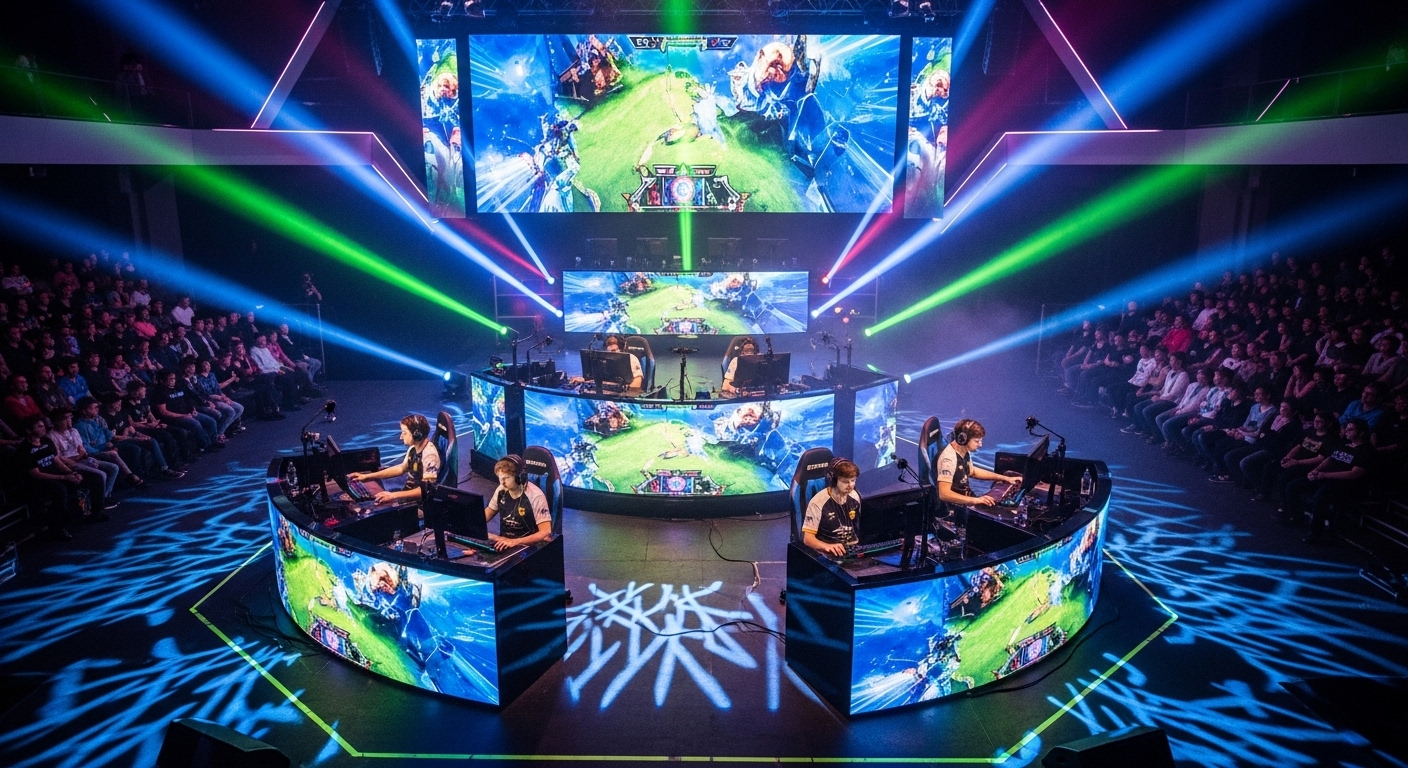
Esports tournaments have evolved into grand spectacles. Events are professionally organized with live commentary, analysis, and enthusiastic audiences. Competitions like The International for Dota 2 and the League of Legends World Championship highlight the skill, strategy, and dedication of players, drawing fans from around the globe.
Impact on Society and Culture
Esports is influencing culture beyond gaming. Fashion, music, and education are all feeling its impact. Some universities now offer esports scholarships, and schools are integrating competitive gaming into their programs. The rise of esports shows how digital competition is becoming an accepted and celebrated part of society.
Challenges in the Industry
Despite its growth, esports faces challenges. Mental health, burnout, and the pressures of constant competition are real concerns for professional players. The industry is also navigating issues of inclusivity and fair play. Efforts are being made to address these problems, including wellness programs, regulations, and support systems for players.
The Future of Esports
The future of esports is bright. With innovations like virtual reality, mobile gaming, and advanced streaming technology, the competitive landscape will continue to expand. Esports is poised to become a mainstream form of entertainment, blending technology, competition, and culture in ways never seen before.
Conclusion
Esports has grown far beyond its humble beginnings. It is no longer just a hobby but a global movement shaping careers, entertainment, and culture. As technology continues to evolve and communities expand, esports will remain at the forefront of digital competition, proving that the future of sports isn’t just on the field—it’s on the screen.