

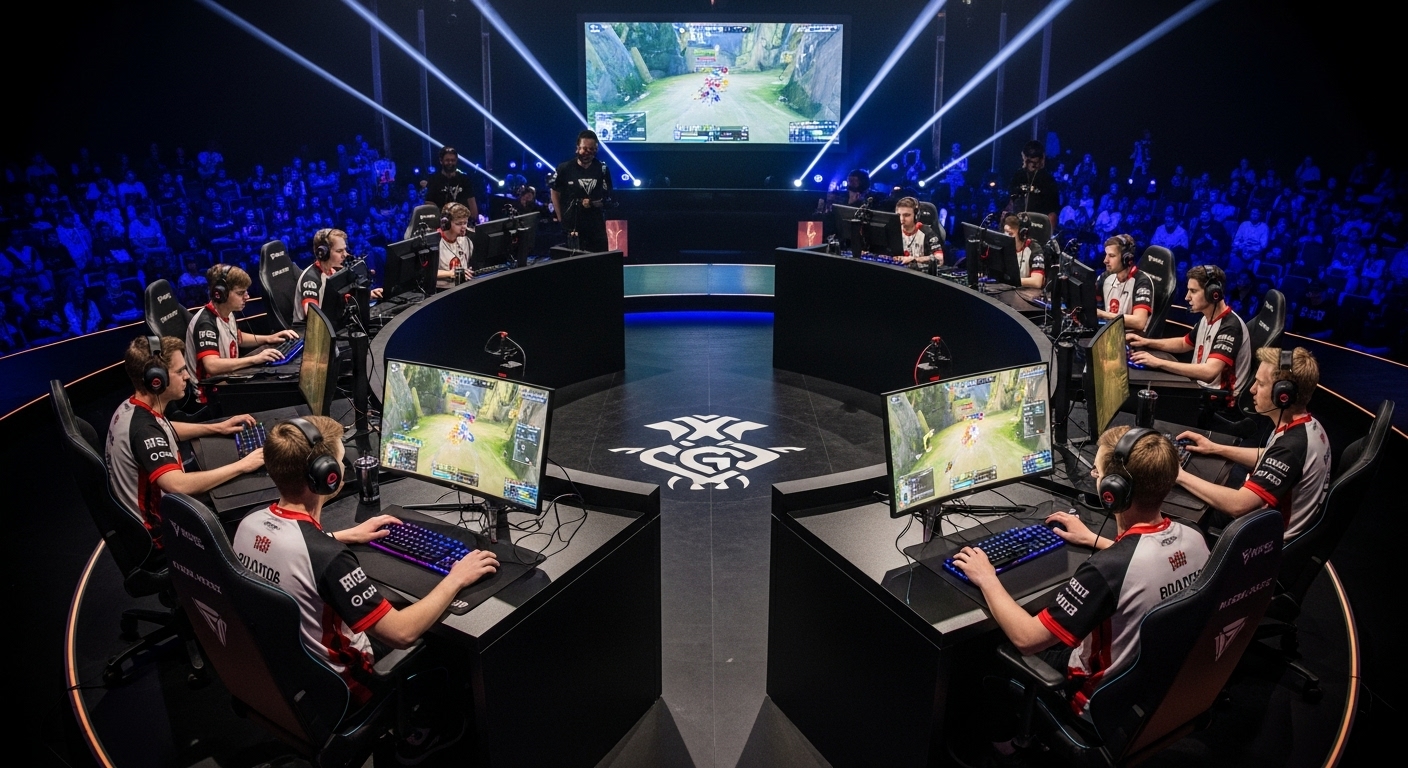
Introduction to Esports
Esports, short for electronic sports, represents one of the most revolutionary cultural shifts of the 21st century. What began as small-scale gaming competitions among friends or local gaming communities has transformed into a billion-dollar global industry. Esports has redefined the concept of competition by merging technology, entertainment, and sportsmanship in the digital age. Today, millions of players and fans around the world engage in esports, watching live tournaments, supporting professional teams, and aspiring to become champions in their favorite games.
The rise of esports symbolizes more than just the popularity of gaming; it marks the creation of a new kind of sport—one that thrives on skill, strategy, and digital dexterity rather than physical strength. It has opened new career paths, redefined media consumption, and bridged cultural gaps across continents. From multiplayer online battle arenas to first-person shooters and sports simulations, esports has carved out a global community united by passion and play.
The Early History of Esports
The origins of esports can be traced back to the early 1970s when video games were still in their infancy. The first known gaming competition took place in 1972 at Stanford University, where students competed in a game called Spacewar. The prize for the winner was a year’s subscription to a magazine, but the event marked the beginning of organized gaming.
In the 1980s, as arcade gaming boomed, titles like Pac-Man and Donkey Kong became household names. Arcade competitions began popping up across the United States, with players striving to achieve the highest scores. The emergence of home consoles from companies like Nintendo and Sega further accelerated the spread of competitive gaming.
By the 1990s, with the rise of the internet and personal computers, gaming competitions evolved. Multiplayer online games such as Quake and StarCraft allowed players to compete across long distances, setting the stage for esports as we know it today. South Korea, in particular, played a pivotal role in establishing esports as a legitimate form of entertainment, with professional StarCraft leagues televised nationwide.
The Global Growth of Competitive Gaming
The 2000s marked the true expansion of esports into a global phenomenon. As broadband internet became more accessible, online gaming communities flourished. Games like Counter-Strike, Warcraft III, Halo, and Call of Duty began hosting international tournaments.
This period also saw the birth of dedicated esports organizations and the formation of professional teams. Players were no longer competing for fun; they were competing for sponsorships, prize money, and fame. Events such as the World Cyber Games and the Electronic Sports World Cup attracted thousands of participants and millions of viewers worldwide.
Streaming platforms like Twitch and YouTube Gaming further fueled the growth of esports in the 2010s. Fans could now watch their favorite players live, interact in real time, and learn from their strategies. This accessibility turned esports into a mainstream entertainment industry comparable to traditional sports.
Major Esports Titles and Genres
The diversity of esports titles reflects the wide range of interests among gamers. Each game genre contributes to the esports ecosystem in its unique way, creating specialized communities and competitive scenes.
1. Multiplayer Online Battle Arenas (MOBAs)
Games like League of Legends, Dota 2, and Smite dominate the MOBA genre. These games combine real-time strategy, teamwork, and fast-paced decision-making. Dota 2’s annual championship, The International, is renowned for having some of the largest prize pools in esports history.
2. First-Person Shooters (FPS)
FPS games like Counter-Strike 2, Valorant, Overwatch, and Call of Duty require precision, reflexes, and tactical communication. They have built massive fan bases through global leagues and championships, attracting millions of viewers.
3. Battle Royale Games
Games such as Fortnite, PUBG, and Apex Legends introduced the concept of survival-based competition. The unpredictability of gameplay and massive player counts make these titles thrilling to watch and play.
4. Sports Simulations
Titles like FIFA, NBA 2K, and Rocket League bridge the gap between traditional sports and gaming. These games appeal to both sports fans and gamers, creating crossover audiences and unique collaborations with real-life sports organizations.
5. Fighting Games
The fighting game community has long been a cornerstone of esports, with franchises like Street Fighter, Tekken, and Super Smash Bros. featuring high-level tournaments that showcase individual skill and quick reaction times.
The Rise of Professional Esports Players
The modern esports athlete is a symbol of discipline, focus, and strategic mastery. While some may still see gaming as a casual hobby, professional players treat it as a full-time career requiring training, teamwork, and mental resilience.
Top players often practice for eight to ten hours daily, analyzing gameplay footage, refining strategies, and collaborating with coaches. Many teams employ nutritionists, sports psychologists, and analysts to optimize performance, much like traditional sports teams.
The financial opportunities for professional players have also grown immensely. Prize pools in major tournaments can reach tens of millions of dollars, while sponsorship deals, streaming revenue, and merchandise sales add further income. Esports stars like Faker from League of Legends, s1mple from Counter-Strike, and Bugha from Fortnite have achieved global fame and recognition.
Esports and the Media Revolution
The growth of esports has been inseparable from the evolution of digital media. Platforms like Twitch, YouTube, and Facebook Gaming have redefined how audiences consume entertainment. Instead of watching pre-recorded broadcasts, fans can engage directly with players through live chats, donations, and interactive streams.
This interactivity has created a unique sense of community. Fans feel connected to their favorite players in ways that traditional sports rarely allow. Esports tournaments now attract millions of live viewers, often surpassing the audiences of major sporting events.
Media companies and television networks have also entered the esports scene, broadcasting tournaments and producing documentaries about players and teams. Esports has become a storytelling medium, with narratives of triumph, rivalry, and perseverance captivating audiences worldwide.
The Economic Impact of Esports
The esports industry has grown into a multi-billion-dollar economy that encompasses game developers, event organizers, sponsors, and media partners. Major corporations invest heavily in esports marketing, recognizing its reach among younger, tech-savvy audiences.
Sponsorships and advertising form the backbone of esports revenue. Companies from diverse industries—ranging from technology to fashion and energy drinks—have partnered with teams and events. Esports arenas have been built in major cities, hosting live events with thousands of attendees.
Merchandising has become another vital component. Jerseys, peripherals, and branded collectibles allow fans to express their support for their favorite teams and players. Universities have even started offering esports scholarships, acknowledging the industry’s legitimacy and potential.
Esports as a Career Path
For many young gamers, esports represents a dream career. Beyond professional play, the ecosystem offers numerous opportunities: coaching, broadcasting, event management, marketing, and game development are all growing sectors within esports.
Content creation has also become a lucrative field. Streamers and gaming influencers attract millions of followers, building personal brands that rival professional athletes and celebrities. This has blurred the line between entertainment and competition, allowing individuals to make a living through gaming without necessarily competing at the highest level.
Educational institutions and training academies have emerged to support aspiring players. These programs teach teamwork, communication, and strategic thinking—skills that extend beyond gaming into real-world applications.
The Role of Technology in Esports Growth
Technological innovation has been a driving force behind the success of esports. High-speed internet, powerful gaming hardware, and streaming software have made global competition possible. Cloud gaming and virtual reality are set to revolutionize the experience even further, offering immersive environments and real-time interactivity.
Artificial intelligence and data analytics are also being integrated into coaching and player development. Teams can analyze in-game performance using sophisticated tools to identify strengths and weaknesses. This scientific approach to training mirrors methods used in traditional sports analytics.
As 5G and future connectivity technologies expand, esports will continue to grow in accessibility and scale, allowing players from even the most remote regions to compete globally without latency issues.
The Cultural Influence of Esports
Esports has transcended gaming to become a significant cultural phenomenon. It has reshaped how younger generations perceive competition, teamwork, and entertainment. Traditional sports organizations have taken notice, with major football and basketball clubs establishing their own esports divisions.
Music, fashion, and pop culture have also embraced esports. Collaborations between game developers and artists have led to in-game concerts, custom outfits, and crossover events. Esports celebrities appear on magazine covers, in commercials, and at global award shows.
The sense of community within esports is equally influential. Online platforms have given rise to friendships, fan groups, and support networks that transcend geography and language. In many ways, esports has become a global language of connection through play.
Challenges Facing the Esports Industry
Despite its remarkable growth, esports faces several challenges. Issues like player burnout, lack of standardized regulations, and inconsistent pay structures still exist. Young players often face intense pressure to perform at a professional level without sufficient support systems.
Toxic behavior and cheating are additional concerns. Developers and tournament organizers constantly battle to maintain fair play and a positive environment. As the industry continues to grow, maintaining integrity and sustainability will be critical.
Another major challenge lies in balancing commercialization with authenticity. Fans value the grassroots origins of gaming, and excessive corporate influence can sometimes alienate communities. Preserving the culture of esports while expanding its professional ecosystem will determine its long-term success.
The Future of Esports
The future of esports looks incredibly promising. As technology continues to evolve, the boundaries between the virtual and real worlds will blur even further. Virtual reality competitions, AI-assisted training, and cross-platform leagues are all on the horizon.
Educational systems will likely integrate esports into their curriculums, recognizing its value in developing critical thinking, teamwork, and problem-solving skills. Esports may also feature more prominently in major international sporting events, with discussions already underway about its inclusion in the Olympic Games.
The growth of mobile esports, particularly in regions like Asia and South America, will expand the global reach of competitive gaming. With mobile technology becoming increasingly powerful, millions of new players can participate in esports without expensive equipment.
Conclusion
Esports represents far more than just playing video games—it embodies the intersection of technology, entertainment, and human ambition. From humble beginnings in university basements to filling entire stadiums, esports has redefined what it means to compete in the modern era.
It has created a new kind of athlete, a new kind of fan, and a new kind of global community. The industry’s continued growth reflects humanity’s innate desire to connect, compete, and innovate. Esports is not just the future of gaming—it is the future of sports, media, and digital culture itself.
As technology advances and society evolves, esports will continue to inspire millions, proving that passion and skill can turn pixels into power and play into a profession.