

Introduction: The Era of Competitive Gaming
In the past decade, the world of gaming has transformed from a leisurely pastime into a global competitive phenomenon known as esports. Once confined to small communities of enthusiasts, esports now attracts millions of viewers, generates significant revenue, and influences popular culture. Its growth is a testament to technological advancements, changing entertainment preferences, and the evolving perception of gaming as a legitimate career path. Today, esports tournaments rival traditional sports in terms of audience engagement, sponsorship deals, and media coverage, proving that digital competition has firmly established itself in the global sports ecosystem.
The Evolution of Esports
Esports has come a long way from its humble beginnings in arcade tournaments and early PC gaming competitions. The 1990s marked the emergence of organized competitions with titles like Quake and StarCraft, primarily in local gaming centers or small conventions. The early 2000s saw the rise of online multiplayer games, providing a platform for international competition and the creation of professional gaming teams.
The true explosion of esports occurred with the advent of live streaming platforms, which allowed fans to watch professional gamers in real time. Games such as League of Legends, Dota 2, and Counter-Strike: Global Offensive became the cornerstone of professional esports, drawing massive global audiences. Today, esports includes a wide range of genres, from first-person shooters to real-time strategy games and sports simulations, each with its dedicated fan base and competitive scene.
The Business Behind Esports
Esports has evolved into a multi-billion-dollar industry, supported by sponsorships, advertising, merchandise, ticket sales, and media rights. Companies see esports as a marketing goldmine, targeting a young, digitally engaged demographic that is often difficult to reach through traditional advertising channels. Big brands from technology, energy drinks, apparel, and even automotive sectors invest heavily in sponsoring tournaments and teams.
Professional esports organizations operate much like traditional sports franchises. They have management teams, coaches, analysts, and training facilities. Players can earn substantial salaries, often supplemented by streaming revenue, tournament winnings, and endorsement deals. The growing financial ecosystem around esports demonstrates its legitimacy as a career option for talented players and a profitable avenue for investors.
Esports as a Spectator Sport
One of the most fascinating aspects of esports is its spectator culture. Unlike conventional sports, esports fans often engage deeply with the games themselves, understanding the strategies, mechanics, and meta-game evolutions. Live streaming platforms offer interactive experiences, allowing viewers to chat, donate, and even influence the content they watch.
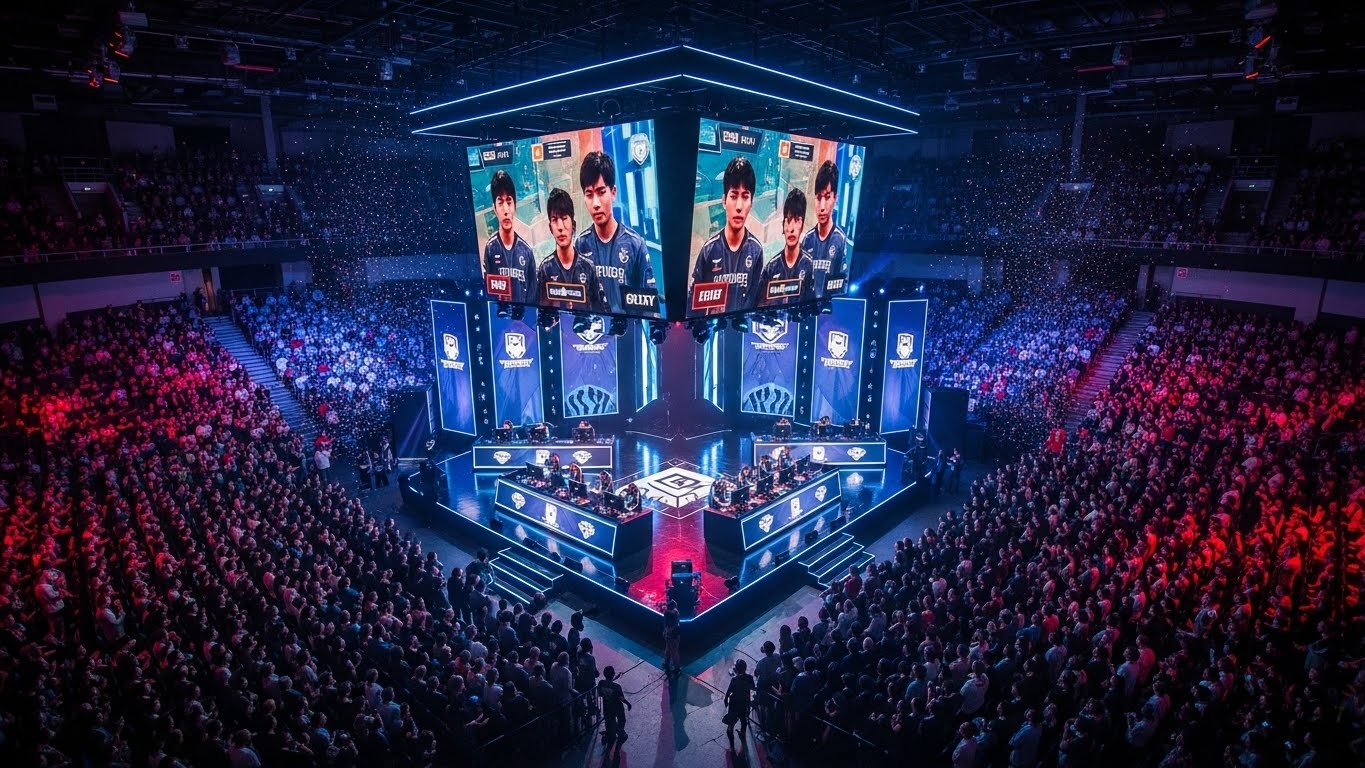
Major esports events are now held in arenas and stadiums, packed with fans from around the world. Tournaments like The International, League of Legends World Championship, and Overwatch League Finals draw millions of viewers online, often surpassing the viewership of traditional sporting events. The combination of accessibility, excitement, and interactivity has made esports an essential part of the entertainment industry.
The Cultural Impact of Esports
Esports has not only changed the way people play and watch games, but it has also influenced broader culture. Gaming conventions, cosplay events, and online streaming communities have grown in tandem with competitive gaming, fostering global social connections.
Esports also challenges traditional notions of sports and athleticism. The skills required in professional gaming, such as quick reflexes, strategic thinking, teamwork, and mental endurance, demand recognition and respect. Furthermore, esports has become a platform for promoting diversity and inclusivity, with international competitions bringing together players from various countries, backgrounds, and genders.
Health and Lifestyle in Esports
While esports offers career opportunities and entertainment, it also brings unique health and lifestyle challenges. Professional gamers often undergo long training sessions, which can lead to physical strain, eye fatigue, and mental stress. Unlike traditional athletes, gamers must balance sedentary activity with physical fitness, nutrition, and mental health practices to maintain peak performance.
Many esports organizations now employ fitness trainers, nutritionists, and psychologists to support their players. This holistic approach highlights the increasing professionalism and recognition of esports as a demanding career path that requires discipline, preparation, and self-care.
The Role of Technology in Esports
Technology is the backbone of esports, from high-performance gaming hardware to advanced streaming platforms and data analytics. High-speed internet, cutting-edge graphics cards, and precise input devices ensure that players can compete at the highest level. Meanwhile, artificial intelligence and analytics tools help teams analyze opponents’ strategies, optimize training, and gain a competitive edge.
Additionally, virtual reality and augmented reality are beginning to shape the future of esports, offering immersive experiences for both players and spectators. As technology continues to evolve, esports will remain at the forefront of innovation in entertainment and digital interaction.
Education and Esports
Educational institutions are increasingly recognizing the potential of esports. Universities and colleges worldwide now offer scholarships, varsity teams, and academic programs focused on gaming and esports management. These programs teach students about game design, event management, marketing, and team leadership, preparing the next generation of professionals for careers in this rapidly growing industry.
Esports education also emphasizes life skills such as teamwork, strategic thinking, and communication. By bridging academic learning with practical gaming experience, esports programs are cultivating a new class of innovators, analysts, and business leaders within the gaming sector.
The Global Appeal of Esports
Esports has a universal appeal that transcends language, geography, and culture. Countries like South Korea, China, and the United States lead in esports infrastructure, tournaments, and professional teams. However, emerging markets in Southeast Asia, Europe, and Latin America are rapidly contributing to the global competitive scene.
International tournaments showcase a fusion of cultures and playstyles, creating a unique environment where gamers and fans can connect across borders. Esports has become not just a competition but a global phenomenon that unites millions of people through shared passion and entertainment.
Challenges Facing Esports
Despite its success, esports faces several challenges. Regulatory issues, player burnout, and controversies around fairness and cheating remain persistent concerns. The industry is also navigating its sustainability in terms of revenue models, mental health support, and long-term player career management.
Furthermore, esports must contend with public perception. While acceptance is growing, some still view gaming as a hobby rather than a legitimate profession. Overcoming stereotypes and demonstrating the value of competitive gaming as both entertainment and a career is essential for the continued growth of the industry.
The Future of Esports
The future of esports is filled with exciting possibilities. With technological advancements, wider acceptance, and increasing investment, esports is likely to become even more mainstream. Virtual reality competitions, AI-enhanced training, and cross-platform gaming could redefine the industry. Moreover, the integration of esports into mainstream media, education, and corporate sponsorships will solidify its position as a key pillar of modern entertainment.
As esports continues to evolve, it promises to inspire a new generation of gamers, entrepreneurs, and fans who see the digital arena as a legitimate, exciting, and rewarding frontier. The boundary between traditional sports and digital competition will blur further, highlighting the limitless potential of competitive gaming in the 21st century.
Conclusion: Esports as a Cultural Phenomenon
Esports is no longer a niche hobby but a dynamic cultural phenomenon with profound influence on society, technology, and entertainment. Its rise has reshaped how people play, watch, and interact with games while providing new opportunities for careers, education, and global connection.
The journey of esports demonstrates the power of passion, innovation, and community. It is a testament to how digital experiences can transcend screens, inspire millions, and become a legitimate, celebrated form of competition. As esports continues to grow, it will not only redefine gaming but also challenge our understanding of sports, culture, and human achievement in the digital age.