

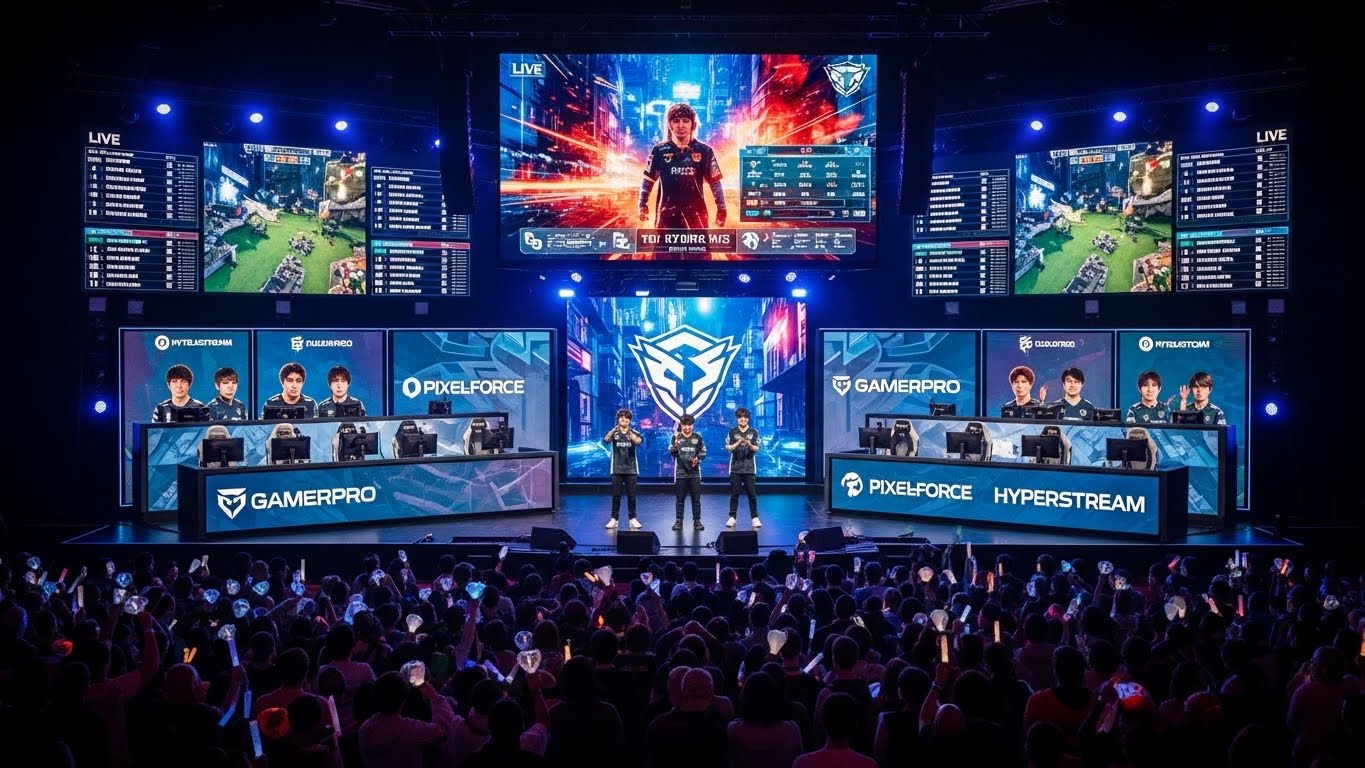
Esports, once considered a niche hobby for gamers, has now emerged as a global phenomenon. From casual competitions in living rooms to professional tournaments in packed arenas, esports has transformed the way we perceive gaming. It is no longer just about entertainment; it is a highly competitive, highly organized industry that impacts technology, education, culture, and even the economy. This article delves into the world of esports, exploring its rise, its benefits, its challenges, and the profound influence it has on society.
The Evolution of Esports
Esports has a surprisingly rich history that dates back several decades. The first recognized video game competition occurred in 1972 at Stanford University, where students competed in the game “Spacewar.” Since then, the landscape of competitive gaming has evolved dramatically. The 1990s saw the rise of arcade competitions and early PC games like “Quake” and “StarCraft,” which began attracting large audiences.
The 2000s marked a major turning point with the advent of online gaming and streaming platforms. Players from around the world could now compete without geographical barriers. Titles like “League of Legends,” “Dota 2,” and “Counter-Strike” laid the foundation for modern esports tournaments. Today, esports encompasses a wide array of games, genres, and platforms, ranging from first-person shooters to strategy games and even mobile gaming. Professional leagues, sponsorships, and broadcasting have transformed gaming into a legitimate career path for skilled players.
The Physical and Mental Benefits of Esports
While esports may seem like a sedentary activity, it offers several physical and mental benefits. For starters, competitive gaming requires exceptional hand-eye coordination and quick reflexes. Professional players often train for hours to enhance their reaction times, decision-making speed, and multitasking abilities. This type of cognitive exercise strengthens problem-solving skills, memory, and strategic thinking.
Esports also encourages discipline and resilience. Success in competitive gaming demands consistent practice, analysis of previous performance, and learning from mistakes. Just like traditional sports, players experience wins and losses, which teach perseverance and mental toughness. Some studies even suggest that strategic gaming can improve attention span and cognitive flexibility, especially in younger players.
The Social Impact of Esports
Esports has created a unique social environment that fosters community and collaboration. Online multiplayer games require teamwork, communication, and coordination, skills that are highly transferable to real-life situations. Gamers often form strong friendships and professional networks, sometimes spanning multiple countries and cultures.
Moreover, esports events bring people together on a massive scale. Tournaments are attended by thousands in arenas and millions online, creating a shared sense of excitement and engagement. Gaming communities are also highly inclusive, often welcoming individuals from diverse backgrounds. This social aspect makes esports not just a hobby but a cultural phenomenon where players, fans, and organizers share experiences, ideas, and strategies.
Esports as a Professional Career
One of the most remarkable developments in esports is its transformation into a legitimate career path. Professional players can earn substantial income through tournament winnings, sponsorships, streaming, and content creation. Some of the top esports athletes rival traditional sports stars in earnings and fame.
Esports careers extend beyond players themselves. Coaches, analysts, referees, event organizers, and broadcasters all contribute to this booming industry. Educational institutions have even started offering esports scholarships, and universities are establishing dedicated esports programs. This professionalization not only provides opportunities for talented players but also ensures that esports continues to grow as an organized, sustainable industry.
Economic Influence of Esports
Esports has become a multi-billion-dollar industry with a global reach. Revenue streams include tournament prizes, sponsorship deals, merchandise, media rights, and streaming platforms. Companies recognize the marketing potential in esports, targeting a highly engaged audience of tech-savvy, youthful consumers.
Additionally, esports has contributed to job creation in areas like game development, event management, marketing, and digital media. Cities around the world are investing in esports infrastructure, from dedicated arenas to training facilities. The economic impact extends beyond gaming, influencing tourism, entertainment, and technology sectors.
Esports and Technology Innovation
The rapid growth of esports is closely linked to advances in technology. High-performance computers, gaming consoles, fast internet connections, and sophisticated software have all made competitive gaming more accessible and immersive. Streaming platforms allow millions of viewers to watch live tournaments, interact with players, and share content.
Artificial intelligence, data analytics, and virtual reality are increasingly influencing the esports ecosystem. AI is used to analyze gameplay, optimize strategies, and improve player performance. Virtual reality and augmented reality technologies are opening new avenues for immersive esports experiences. Technology not only enhances gameplay but also shapes how audiences engage with esports.
Educational Opportunities Through Esports
Esports is becoming a valuable educational tool as well. Schools and universities are recognizing its potential to teach teamwork, leadership, and problem-solving. Some institutions have integrated esports into their curriculum, offering courses in game design, esports management, and digital media.
Participation in esports can also foster critical thinking and creativity. Players analyze opponents’ strategies, develop new tactics, and adapt to rapidly changing scenarios. These skills are transferable to professional environments, making esports a practical avenue for personal and intellectual development.
Challenges Facing Esports
Despite its growth and benefits, esports faces several challenges. One major concern is health, as long hours of gaming can lead to physical strain, eye fatigue, and sedentary lifestyle issues. Mental health is another consideration, with professional players experiencing stress, anxiety, and burnout due to competitive pressure.
The industry also grapples with issues like cheating, toxicity in gaming communities, and lack of regulation. Unlike traditional sports, esports is still developing standardized rules, governing bodies, and ethical guidelines. Addressing these challenges is essential for ensuring the long-term sustainability and credibility of esports.
Esports and Gender Equality
Historically, esports has been male-dominated, but this is gradually changing. More women are entering competitive gaming, challenging stereotypes, and achieving recognition in the field. Female gamers are not only participating but excelling in various esports tournaments, proving that talent transcends gender.
Promoting gender equality in esports is crucial for fostering diversity and inclusivity. Gaming communities and organizers are increasingly focused on creating safe, supportive environments for women and underrepresented groups. This shift reflects the broader cultural significance of esports in breaking down social barriers.
The Global Cultural Impact of Esports
Esports has become a cultural phenomenon that transcends borders. Major tournaments are broadcast globally, attracting audiences from Asia, Europe, North America, and beyond. Games like “Fortnite,” “League of Legends,” and “Valorant” have global fan bases, and international competitions foster cross-cultural exchange.
Esports also influences entertainment, fashion, and media. Streamers and professional players have become celebrities, shaping trends and inspiring millions. The industry reflects the evolving relationship between technology, culture, and human interaction, making esports an integral part of modern society.
The Future of Esports
The future of esports is incredibly promising. With continued technological advancements, expanding professional opportunities, and growing global audiences, esports is poised for further growth. Virtual reality, cloud gaming, and AI-driven analytics will redefine gameplay experiences, making esports even more immersive and competitive.
Moreover, esports will continue to shape education, culture, and social interaction. It may become an essential part of curriculum development, youth engagement, and professional skill-building. As the industry matures, it will also likely address current challenges related to health, ethics, and accessibility, ensuring a sustainable and inclusive future.
Conclusion: Esports as a Transformative Force
Esports is more than just competitive gaming. It is a transformative force that shapes culture, technology, education, and society. It offers physical and mental benefits, fosters social connections, and provides professional and economic opportunities. While it faces challenges, its potential to influence the modern world is undeniable.
Whether as a career, a hobby, or a cultural phenomenon, esports embodies the spirit of competition, creativity, and community. It challenges traditional notions of sports, entertainment, and education, demonstrating that meaningful human experiences can exist in virtual spaces. The rise of esports is a testament to the adaptability, innovation, and interconnectedness of the modern world.
In the end, esports is more than a game played on screens; it is a reflection of human ambition, skill, and collaboration, proving that the digital arena is just as powerful as any traditional playing field.