

Introduction to the World of Esports
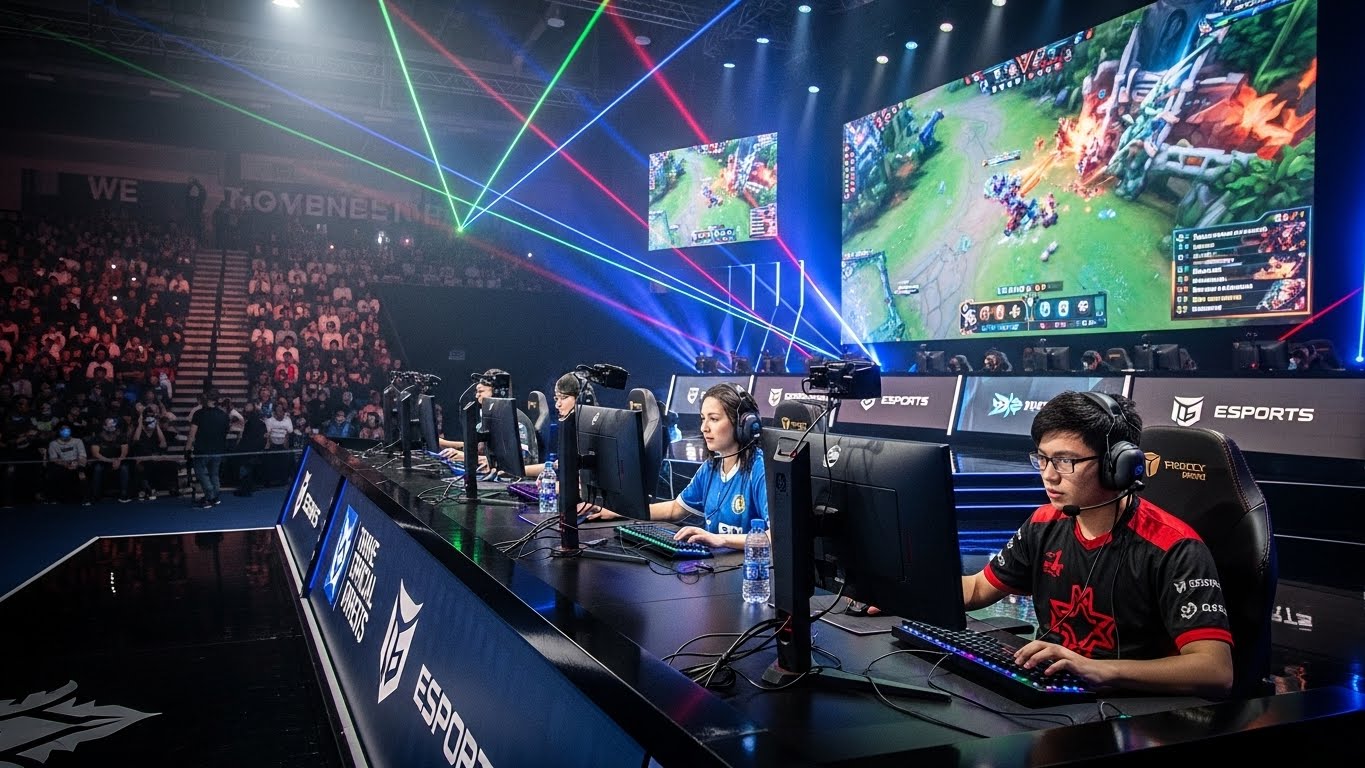
Esports, short for electronic sports, has evolved from a niche hobby into one of the fastest-growing global industries. What was once a simple pastime of friends playing games together has transformed into a world of professional leagues, international tournaments, celebrity players, and massive global audiences. Esports represents a new era of entertainment where skill, strategy, and technology meet. Today, millions tune in to watch competitions, participate in online communities, and support their favorite teams, signaling a cultural shift in how people perceive competitive gaming.
The Evolution of Competitive Gaming
The origins of esports date back several decades, starting with arcade competitions and early console gaming challenges. Over time, advancements in technology enabled players to connect across long distances, sparking a new wave of internet-based competitions. By the early 2000s, organized tournaments began to emerge, offering structured leagues, sponsors, and prize pools. As online gaming continued to grow, it paved the way for professional teams, training facilities, and global championships. Esports is no longer just a hobby; it is a full-fledged industry with millions of fans and players participating daily.
The Global Popularity of Esports
Esports has captured the attention of the world due to its digital accessibility. Unlike traditional sports, which often require physical venues, equipment, and geographic proximity, esports thrives in the virtual realm. Anyone with a computer, console, or smartphone can participate or watch from anywhere. This accessibility has created an international community that spans continents and cultures. People from Asia, Europe, the Americas, Africa, and the Middle East all engage with esports, making it one of the most global entertainment industries of the modern era.
Esports as a Legitimate Career Path
The rise of esports has created countless opportunities for professional careers. Competitive players earn salaries, endorsement deals, and prize money. Many of them become celebrities, followed and admired by millions. Beyond playing, esports offers roles such as coaching, management, event hosting, broadcasting, game analysis, and content creation. Organizations invest heavily in training facilities, nutrition programs, and mental health support to ensure players perform at their highest level. Today, pursuing esports as a career is no longer unconventional; it is a respected and achievable ambition.
Skill, Strategy, and Dedication in Esports
Esports is often misunderstood by those unfamiliar with the discipline, but professional gaming requires more than quick reflexes. Players must master complex strategies, study opponents, and analyze game mechanics. Many esports titles require deep understanding of resource management, team coordination, and long-term planning. Just like traditional athletes, professional gamers train for hours each day, improving reaction time, communication, and mental stamina. The high level of skill and strategic depth makes esports as competitive and demanding as any physical sport.
The Importance of Teamwork and Communication
Many esports titles rely heavily on teamwork. Games such as tactical shooters, battle arenas, and strategy games require players to coordinate every move. Effective communication becomes essential as teams predict opponents’ actions, adapt strategies, and execute plays under pressure. Successful teams rely on trust and synergy, where every member understands their role and contributes to the collective goal. This emphasis on teamwork fosters strong bonds, leadership skills, and collaboration that extend beyond gaming.
Technology Driving the Esports Revolution
Technology plays a central role in the growth of esports. High-performance gaming rigs, precise peripherals, and advanced software tools enhance both gameplay and training. Fast internet speeds and reliable connections enable players from around the world to compete on equal footing. Spectators also benefit from modern technology, enjoying high-quality broadcasts, instant replays, and immersive viewing experiences. Streaming platforms, mobile apps, and digital communities create interactive environments where fans can engage directly with players, teams, and content creators.
The Economic Impact of Esports
Esports has become a massive economic force. Professional tournaments generate significant revenue through sponsorships, advertising, merchandise sales, and ticketed events. Brands from various industries invest in esports to reach younger audiences who are deeply engaged in digital culture. Prize pools for major tournaments can reach millions, drawing attention from fans and media outlets worldwide. The industry also supports jobs in coaching, marketing, production, journalism, and game development. The financial impact of esports is undeniable, and its growth shows no signs of slowing down.
Fan Participation and Community Engagement
One of the strongest aspects of esports is its highly interactive fan base. Fans do more than just watch; they participate in discussions, join online groups, create fan art, analyze plays, and even compete in amateur leagues. Communities form around games, teams, and personalities, fostering a sense of belonging. Fans can chat with their favorite players, watch training sessions, or learn strategies directly from experts. This level of engagement creates loyal, passionate audiences that help fuel the industry’s continued growth.
Health and Wellness in Esports
Professional gaming, like any high-performance activity, requires attention to physical and mental health. Long hours of practice can lead to fatigue, strain, and stress. As esports becomes more structured, organizations emphasize wellness programs to help players maintain balance. Physical exercise, healthy diet, ergonomic equipment, and psychological support are now common in esports training facilities. Ensuring players maintain overall well-being is essential for performance, longevity, and a sustainable career in the competitive gaming world.
Diversity and Inclusion in Esports
Esports is one of the most diverse entertainment industries, welcoming people of all genders, backgrounds, and cultures. Unlike traditional sports that may require specific physical abilities, esports focuses on mental agility, strategy, and skill, making it open to a broader range of participants. Initiatives promoting inclusion are growing, with more women and marginalized groups entering the competitive scene. As representation increases, esports becomes a more inclusive and welcoming environment for all aspiring players and fans.
Esports in Education and Youth Development
Educational institutions around the world are integrating esports into their programs. Schools and universities create esports teams, offer scholarships, and host competitions. Esports encourages students to develop teamwork, communication, critical thinking, and problem-solving skills. For many young people, it provides a sense of purpose, community, and motivation. Educational programs teach time management, discipline, and digital literacy, demonstrating that esports can play a positive role in youth development and academic success.
The Cultural Influence of Esports
Esports has influenced popular culture in significant ways. Professional gamers and streamers have become modern celebrities, shaping trends in fashion, language, and entertainment. Esports collaborations appear in music, movies, and mainstream media, reflecting its integration into everyday life. Game-related merchandise, digital artwork, and fan events contribute to a vibrant cultural ecosystem. As gaming becomes more accepted and celebrated, esports stands at the intersection of digital culture and modern entertainment.
The Future of Esports
The future of esports is bright and filled with potential. New technologies like virtual reality, augmented reality, artificial intelligence, and holographic displays may revolutionize how competitions are played and viewed. Esports arenas and global leagues will continue to expand, attracting even larger audiences. Hybrid events combining digital and physical experiences may become more common. As more countries recognize esports as an official sport, its influence will continue to grow. The future promises innovation, expansion, and deeper global integration.
Conclusion: A New Era of Competitive Excellence
Esports has redefined what competition can look like in the digital age. It blends skill, strategy, teamwork, and technology into a dynamic form of entertainment that captivates millions. From passionate fans to dedicated players, from massive arenas to virtual gaming spaces, esports has become a global phenomenon that continues to evolve. It represents not just the future of gaming, but a new frontier of competitive excellence, cultural expression, and technological innovation. As esports continues to grow, it will shape the world of entertainment, inspire new generations, and transform the way people connect and compete.