

Esports, once considered a niche activity for avid gamers, has rapidly evolved into one of the largest and most lucrative industries in the world. What started as a small community of competitive players has blossomed into a multi-billion-dollar global phenomenon, captivating millions of fans, sponsors, and players alike. From gaming tournaments streamed on platforms like Twitch to massive stadium events featuring sold-out crowds, esports has become a mainstream form of entertainment. But how did we get here? And what does the future of esports look like? In this blog post, we will explore the growth of esports, its cultural impact, and its role in shaping the future of entertainment.
What is Esports?
Esports, short for electronic sports, refers to organized, multiplayer video game competitions, particularly between professional players, teams, and organizations. Unlike casual gaming, esports is played at a highly competitive level, often involving tournaments, leagues, sponsorships, and large prize pools. Esports covers a wide range of video games, including first-person shooters (FPS) like Counter-Strike and Call of Duty, multiplayer online battle arena (MOBA) games like League of Legends and Dota 2, and real-time strategy (RTS) games like StarCraft II.
Unlike traditional sports, esports can be played online, on various platforms, and across the globe, offering accessibility to players and fans from all walks of life. The professional nature of esports makes it similar to traditional sports, where players train, compete in leagues, and build careers around their skills. Esports has seen explosive growth over the last two decades, with major gaming tournaments often rivaling the viewership of traditional sports events.
The Early Days of Competitive Gaming
The roots of esports can be traced back to the late 20th century. In the 1980s and 1990s, competitive gaming began as a form of entertainment at local arcades and LAN (local area network) parties, where players would compete head-to-head in games like Street Fighter, Quake, and StarCraft. However, it wasn’t until the late 1990s and early 2000s that esports began to take shape as a serious competitive pursuit.
The creation of online gaming platforms like Battle.net by Blizzard Entertainment and Xbox Live helped to fuel the rise of multiplayer gaming. Games like Warcraft III and StarCraft garnered large followings and saw the first major tournaments, with players competing for cash prizes and recognition. One of the most significant milestones in early esports history was the formation of the Cyberathlete Professional League (CPL) in 1997, which held the first global esports competition.
However, it wasn’t until the 2000s that esports truly began to blossom into a global phenomenon. In countries like South Korea, esports was already growing into a national pastime, with television broadcasts dedicated to gaming competitions. Games like StarCraft became cultural touchstones, and professional gamers achieved celebrity status. Major tournaments, like the World Cyber Games and Electronic Sports World Cup, began to attract international participants and large audiences, marking the transition from a hobbyist pursuit to a professional industry.
The Explosive Growth of Esports
The 2010s marked the beginning of esports’ explosive growth on a global scale. A combination of technological advancements, the rise of streaming platforms, and the increasing popularity of online gaming created the perfect storm for esports to thrive.
One of the key drivers of this growth was the rise of streaming platforms like Twitch. Launched in 2011, Twitch provided gamers with a platform to broadcast their gameplay to millions of viewers in real time. What began as a way for gamers to share their skills and entertain fans turned into a thriving industry. In just a few years, Twitch became the go-to platform for esports streaming, attracting major tournaments and sponsorships. Fans could now watch top-tier competitions, interact with players, and immerse themselves in the excitement of the gaming world.
The popularity of games like League of Legends, Dota 2, and Counter-Strike: Global Offensive contributed to esports’ rise. These games were designed with competitive play in mind, with built-in systems for ranking, matchmaking, and organized tournaments. As these games gained massive followings, tournaments with prize pools worth millions of dollars began to take place regularly. The League of Legends World Championship, for example, became one of the biggest events in esports, drawing millions of viewers annually.
In addition to streaming, social media also played a crucial role in the rise of esports. Platforms like Twitter, Facebook, and Instagram allowed players, teams, and organizations to build personal brands, interact with fans, and promote tournaments. The growth of esports has, in many ways, mirrored the rise of social media and the increasing importance of online communities in entertainment.
Esports as a Professional Career
As esports grew, so did its legitimacy as a professional career. What was once a hobby for dedicated gamers quickly became a full-time job for many individuals. Professional esports players now have contracts, coaches, and training regimens similar to traditional athletes. Many players sign with teams and organizations that manage their brand, secure sponsorships, and provide financial backing.
Being a professional esports player is demanding work. Players practice for hours every day, working on their strategies, reflexes, and teamwork. The competition is fierce, and only the best players rise to the top. Some players are able to secure lucrative sponsorship deals with major brands like Red Bull, Logitech, and Nike, and earn money through streaming, merchandise, and prize winnings.
In addition to professional players, a whole ecosystem of jobs has emerged in esports. Coaches, analysts, team managers, and content creators are all part of the growing esports workforce. Just like traditional sports, the esports industry has created a wide range of career opportunities, from event organizers and broadcasters to social media managers and marketing professionals.
Moreover, esports players often have relatively short careers due to the intense demands of the profession. Players are typically in their prime during their late teens and early twenties, and many face a career transition once they reach their late twenties. However, this has not stopped esports from becoming a viable career option for young gamers. As the industry continues to expand, opportunities for coaching, broadcasting, and other post-playing careers are becoming more common.
Esports Tournaments: From Local LANs to Global Spectacles
Esports tournaments have become one of the most exciting aspects of the industry. These tournaments attract fans from all over the world and feature massive prize pools. Some of the largest tournaments, like The International (the world championship for Dota 2), have prize pools that exceed $30 million, making them more lucrative than many traditional sports competitions.
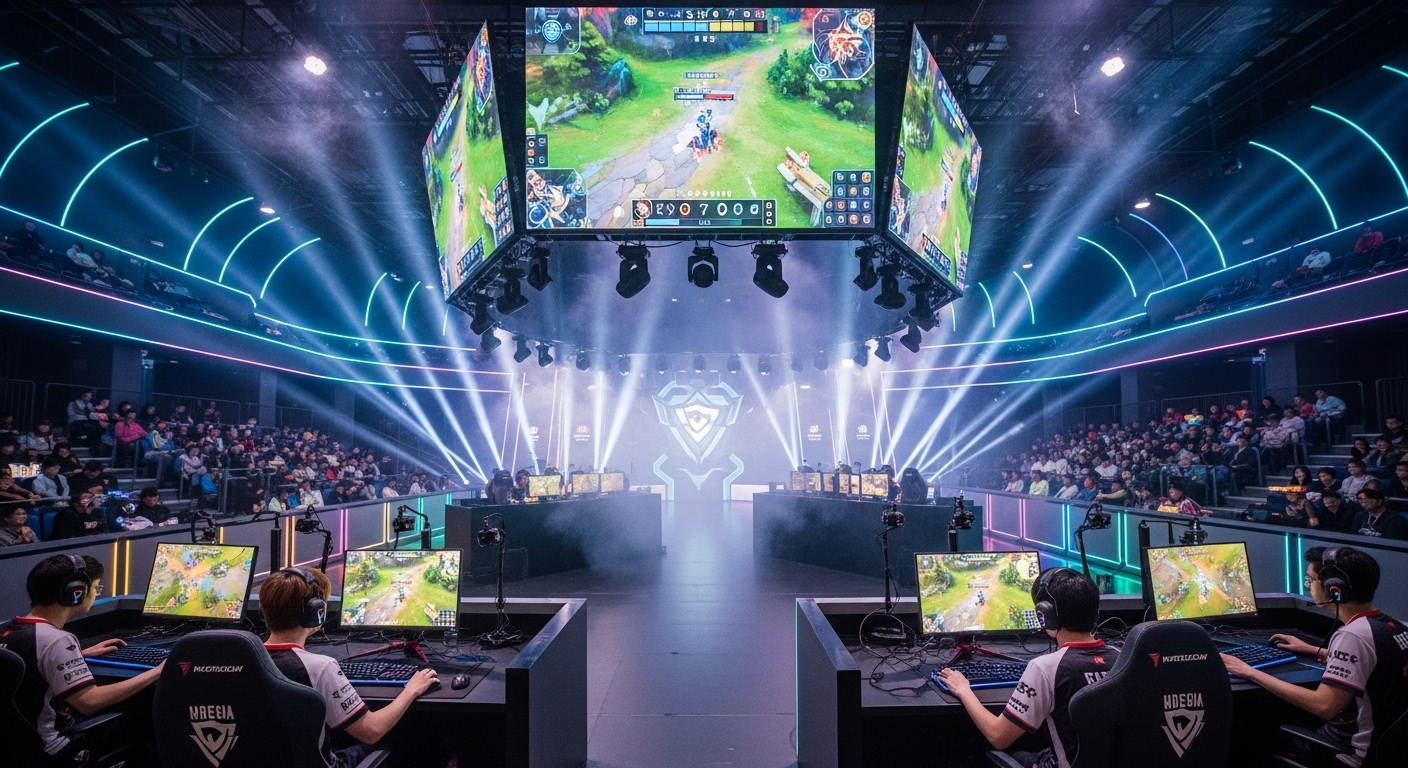
Esports tournaments have grown from small-scale local LAN events to massive, multi-day productions. Major events are often broadcast live from arenas and stadiums, with tens of thousands of fans in attendance. The League of Legends World Championship is held in front of sold-out crowds in iconic venues like the Bird’s Nest stadium in Beijing and the Mercedes-Benz Arena in Berlin. The spectacle of these events, with their elaborate opening ceremonies, live commentary, and high-energy performances, rivals that of traditional sports events.
Tournaments are often streamed live on platforms like Twitch, YouTube, and Facebook, attracting millions of viewers from around the world. The global reach of these events is unprecedented, with viewers tuning in from different countries and cultures. The international nature of esports is one of its defining features—gamers from every corner of the globe come together to compete and watch, creating a truly global fanbase.
The Role of Sponsorships and Media in Esports
Esports is not just about the players and fans; it has become a massive business with numerous stakeholders. Sponsorships play a critical role in the growth and sustainability of esports. Major brands from various industries, including technology, energy drinks, and apparel, have partnered with esports organizations and players. Companies like Intel, Coca-Cola, and Samsung are now regular sponsors of esports events, helping to fund tournaments and secure prize pools.
Media rights have also become a significant source of revenue for esports. In many ways, esports is following the same model as traditional sports, with broadcasting deals and partnerships generating income. In 2016, Activision Blizzard secured a multi-million-dollar deal with the Overwatch League, broadcasting their esports events on platforms like ESPN and Disney XD. This was a landmark moment in esports’ push toward mainstream acceptance, as it demonstrated the increasing value of esports content to traditional media networks.
The Future of Esports: Expansion and Innovation
The future of esports looks incredibly promising. As technology continues to advance, so too does the potential for new forms of engagement in esports. Virtual reality (VR) and augmented reality (AR) could revolutionize how we experience esports tournaments, allowing fans to immerse themselves in live events and feel as if they are physically present in the arena.
Furthermore, the continued development of mobile gaming is expected to play a huge role in the expansion of esports. With mobile phones now capable of running high-quality games, esports tournaments for mobile titles like PUBG Mobile and Free Fire are gaining traction. The mobile esports market is expected to grow significantly, especially in regions like Southeast Asia, where mobile gaming is particularly popular.
Esports is also increasingly being recognized as a legitimate sport by educational institutions and government organizations. Many universities now offer scholarships for esports players, and some countries have even included esports in their national sports programs. Esports has been proposed as a potential event in the Olympic Games, further solidifying its place in the mainstream sports landscape.
Conclusion: Esports as a Cultural Mainstay
Esports is no longer a niche hobby—it is a global cultural phenomenon that is here to stay. With its competitive nature, massive fan base, and growing economic impact, esports is rapidly becoming a dominant force in the world of entertainment.