

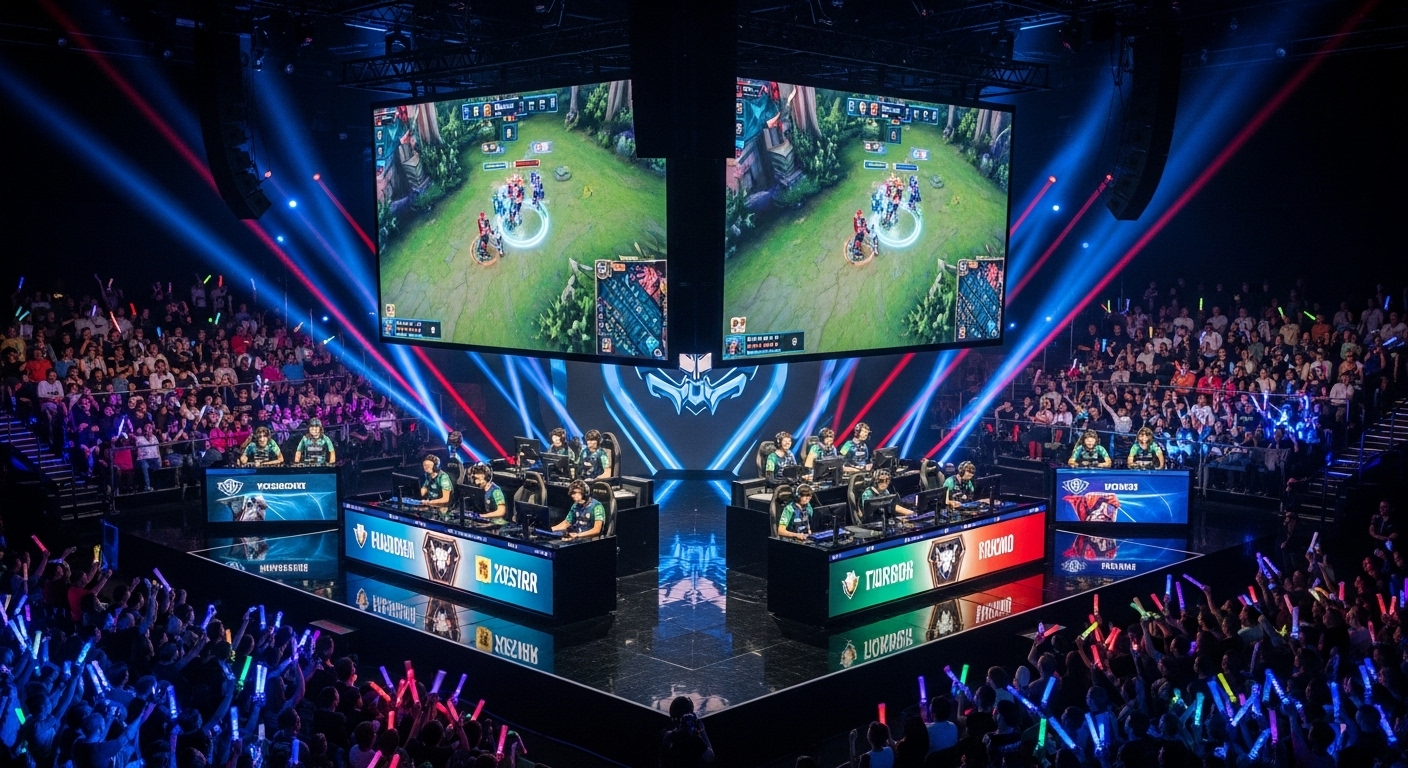
Introduction: Esports in the Modern World
Esports, the competitive world of video gaming, has transformed dramatically over the past two decades. What started as small local tournaments among friends has evolved into a global industry with professional leagues, massive audiences, and lucrative careers. Esports is no longer just a hobby; it is a cultural and professional phenomenon, attracting millions of players and viewers worldwide.
With international competitions, live streaming platforms, and dedicated professional teams, esports has become a legitimate form of athletic competition. Unlike traditional sports, esports thrives in the digital realm, allowing players and audiences from every corner of the world to participate in or witness high-level gameplay. This blog explores the rise of esports, its structure, the skills required, and the impact it has on culture, economy, and education.
The Evolution of Esports
The roots of esports can be traced back to the early arcade competitions of the 1970s and 1980s, where players competed for high scores in games like Space Invaders and Pac-Man. These competitions were largely localized and informal but demonstrated the human desire for competition and recognition.
The real transformation began with the rise of online gaming in the 1990s and early 2000s. Games like StarCraft, Counter-Strike, and Warcraft became competitive phenomena, attracting skilled players from around the world. With high-speed internet and advanced gaming platforms, esports tournaments grew in scale and complexity. Streaming services and digital broadcasting later brought esports to a global audience, allowing millions to watch live competitions, follow professional players, and engage in online communities.
Popular Esports Genres
Esports covers a wide range of game genres, each offering unique challenges and experiences. Multiplayer Online Battle Arenas, or MOBAs, like League of Legends and Dota 2, emphasize teamwork, strategy, and precise timing. First-Person Shooters, such as Counter-Strike: Global Offensive and Valorant, demand quick reflexes, accuracy, and tactical coordination.
Battle Royale games, including Fortnite and Apex Legends, combine survival tactics with fast decision-making, while Real-Time Strategy games challenge players to manage resources and outsmart opponents through superior planning. Sports simulations like FIFA and NBA 2K allow players to compete in digital versions of real-world sports. Each genre caters to different skill sets and audiences, contributing to esports’ diverse and inclusive nature.
Physical and Mental Demands of Esports
Despite misconceptions, esports requires a combination of physical and mental endurance. Professional gamers often practice for eight to twelve hours a day, focusing on reflexes, hand-eye coordination, and precise control. Maintaining this level of performance demands physical fitness, including proper posture, hand health, and eye care, to avoid strain and injury.
Mental resilience is equally crucial. Players must perform under high pressure, make rapid decisions, and remain focused for extended periods. Strategic thinking, adaptability, and emotional regulation are vital for success. Like traditional athletes, esports players develop routines, practice schedules, and lifestyle habits to maintain peak performance.
Team-Based Esports: Collaboration and Strategy
Many esports titles rely heavily on team coordination. MOBAs, FPS games, and cooperative battle formats require players to communicate, strategize, and execute plays together. A single player’s decision can affect the outcome of the entire match, making teamwork essential.
Team esports cultivates leadership, collaboration, and conflict resolution skills. Captains guide their teams, while experienced players mentor younger members. The lessons learned in teamwork extend beyond gaming, helping players excel in professional environments and personal relationships.
Individual Competition: Skill and Self-Mastery
Individual esports competitions, such as fighting games, racing simulators, or solo battle royale matches, focus on personal skill and strategy. Players rely solely on their ability to adapt, analyze, and respond to opponents in real-time. Success requires self-discipline, patience, and resilience.
Competing individually also fosters accountability. Players must evaluate performance objectively, learn from mistakes, and continuously improve. The self-driven nature of these competitions cultivates confidence and decision-making skills that carry over into other areas of life.
Esports Communities and Social Interaction
One of the most significant aspects of esports is the strong sense of community it fosters. Online forums, social media platforms, and streaming services allow players and fans to connect, share strategies, and celebrate achievements. Communities are not limited by geography, making esports a global phenomenon.
Players collaborate in teams, discuss tactics, and mentor one another. Fans interact through live chats, fan content, and tournaments, creating vibrant, engaged ecosystems. These communities encourage inclusion, networking, and skill development, making esports not just a form of competition but also a social experience.
Career Opportunities in Esports
Esports has grown into a professional industry, offering diverse career opportunities. Professional players can earn income through tournament winnings, team salaries, sponsorships, and streaming revenue. Coaches, analysts, and team managers support players and contribute to strategic planning.
Content creation is another significant area of opportunity. Streamers, commentators, and digital media creators can build personal brands, monetize content, and engage with audiences worldwide. Developers, event organizers, and marketing professionals also benefit from esports’ growth, demonstrating that the industry offers far more than just competitive gameplay.
Economic Impact of Esports
Esports contributes significantly to the global economy. Major tournaments generate revenue through sponsorships, advertising, merchandise, and ticket sales. Events attract international attention, boosting tourism and creating jobs in event management, media, and marketing.
Technology innovation is a direct result of esports’ expansion. High-performance hardware, streaming platforms, and analytical software are developed to meet the demands of professional competition. The industry’s growth showcases the economic potential of digital sports and reflects the increasing influence of technology in entertainment markets.
Esports in Education
Educational institutions are embracing esports as a tool for learning and personal development. Many colleges and universities offer esports programs, scholarships, and competitive teams. Participation in esports helps students develop teamwork, leadership, problem-solving, and digital literacy skills.
High schools and community programs also support esports, providing opportunities for students who may not engage in traditional athletics. Educational esports programs foster confidence, collaboration, and strategic thinking, demonstrating that competitive gaming can be both a learning experience and a professional opportunity.
Challenges Facing Esports
Despite its rapid growth, esports faces several challenges. Professional players are at risk of stress, burnout, and repetitive strain injuries due to long practice hours. Maintaining mental and physical health is critical to sustain performance over time.
Other challenges include cheating, toxicity in gaming communities, and ensuring fair competition. Developers and organizers work continuously to create regulations, enforce fair play, and provide ethical standards for professional and amateur players. Addressing these challenges is vital for maintaining esports’ credibility and long-term success.
The Future of Esports
The future of esports is promising and dynamic. Virtual reality, augmented reality, and artificial intelligence are poised to transform gameplay, fan experiences, and training methods. Immersive viewing technologies may allow fans to feel as though they are inside the game, bridging the gap between player and spectator.
Inclusivity will also expand. Women’s esports, adaptive gaming, and grassroots initiatives ensure that more people can participate. As technology, accessibility, and global interest continue to grow, esports is set to redefine competition and entertainment for generations to come.
Conclusion: Esports as a Cultural and Competitive Force
Esports has emerged as a defining force in modern culture. It combines skill, strategy, teamwork, and technology to create a competitive landscape that rivals traditional sports. Players demonstrate discipline, focus, and mental resilience, while fans engage in vibrant communities and global conversations.
The economic, educational, and social impact of esports underscores its significance beyond entertainment. It is shaping careers, inspiring innovation, and connecting individuals worldwide. As the industry continues to evolve, esports proves that competition is not confined to physical arenas; the digital world is equally capable of fostering excellence, community, and passion.